All Products
Single Presentations
PEG Feeding Awareness & Procedures Training ResourcesSingle PowerPoint. YOU DO NOT NEED TO BUY THIS IF YOU ARE BUYING THE FULL ENTERAL ROUTE (FEED AND MEDICATION) PACK Presentation - PEG Feeding (without PEJs) (90 slides) This session looks solely at PEG feeding. THERE IS ANOTHER SINGLE PRESENTATION WITH AN EXTRA 9 SLIDES THAT INCLUDES PEJ Feeding. Aims and Objectives Introduction Percutaneous Endoscopic Gastrostomy (PEG) Percutaneous Endoscopic Jejunostomy (PEJ) Malnutrition BMI Classifications Malnutrition Screening Screening for Malnutrition Nutritional Support Enteral Feeding Indications for Enteral Feeding Responsibilities Consent and Mental Capacity Record Keeping and Documentation Ethical and Legal Considerations Infection Prevention and Control Storage and Care of Feeds Initial Process PEG Insertion Indications for PEG Feeding Tube Contraindications Early detection of Complications Management of PEG Feeding Placement of Tubes Method of Feeding Pump Feeding Bolus Feeding Care of Equipment Care of PEG site Care of PEG site - Cle...
Handouts
PEG Feeding Procedures18 page handout. YOU DO NOT NEED TO BUY THIS IF YOU ARE BUYING THE FULL ENTERAL ROUTE (FEED AND MEDICATION) PACK PEG Feeding (without PEJs) This handout looks solely at PEG feeding. THERE IS ANOTHER SINGLE HANDOUT WITH AN EXTRA 2 PAGES THAT INCLUDES PEJ Feeding. Introduction Percutaneous Endoscopic Gastrostomy (PEG) Percutaneous Endoscopic Jejunostomy (PEJ) Malnutrition BMI Classifications Malnutrition Screening Screening for Malnutrition Nutritional Support Enteral Feeding Indications for Enteral Feeding Responsibilities Consent and Mental Capacity Record Keeping and Documentation Ethical and Legal Considerations Infection Prevention and Control Storage and Care of Feeds Initial Process PEG Insertion Indications for PEG Feeding Tube Contraindications Early detection of Complications Management of PEG Feeding Placement of Tubes Method of Feeding Pump Feeding Bolus Feeding Care of Equipment Care of PEG site Care of PEG site - Cleaning Procedure if PEG Comes Out Procedure if PEG Comes...
Handouts
PEG Feeding and PEJ Feeding20 page handout. YOU DO NOT NEED TO BUY THIS IF YOU ARE BUYING THE FULL ENTERAL ROUTE (FEED AND MEDICATION) PACK PEG Feeding and PEJ Feeding Overview Introduction PEGs PEJs Malnutrition BMI Classifications- Malnutrition Screening Screening for Malnutrition Nutritional Support Enteral Feeding Indications Responsibilities Consent and Mental Capacity Record Keeping and Documentation Ethical and Legal Considerations Storage and Care of Feeds PEG Insertion Indications Contraindications Early Detection of Complications Management of PEG Feeding Placement of Tubes Methods of Feeding Pump Feeding Bolus Feeding Care of Equipment Care of PEG site Procedure if PEG comes out Procedure if PEG comes out (Untrained Staff) Checking PEG Tube Position - pH management and procedures Feeding Equipment Clinical procedure - Administering a Bolus Feed Clinical Procedure - Administering a Pump Feed Competence PEJs Indications for PEJ Insertion Feeding via PEJ Daily Care of PEJ Tubes Procedure if PEJ Comes...
Single Presentations
PEG and PEJ Feeding Awareness & Procedures Training ResourcesSingle PowerPoint. YOU DO NOT NEED TO BUY THIS IF YOU ARE BUYING THE FULL ENTERAL ROUTE (MEDICATION AND FEED) PACK Presentation - PEG Feeding and PEJ Feeding Overview (97 slides) Slide Titles Aims and Objectives Introduction PEGs PEJs Malnutrition BMI Classifications- Malnutrition Screening Screening for Malnutrition Nutritional Support Enteral Feeding Indications Responsibilities Consent and Mental Capacity Record Keeping and Documentation Ethical and Legal Considerations Storage and Care of Feeds PEG Insertion Indications Contraindications Early Detection of Complications Management of PEG Feeding Placement of Tubes Methods of Feeding Pump Feeding Bolus Feeding Care of Equipment Care of PEG site Procedure if PEG comes out Procedure if PEG comes out (Untrained Staff) Checking PEG Tube Position - pH management and procedures Feeding Equipment Clinical procedure - Administering a Bolus Feed Clinical Procedure - Administering a Pump Feed Competence PEJs Indications for PEJ Insertion F...
Presentation Packs
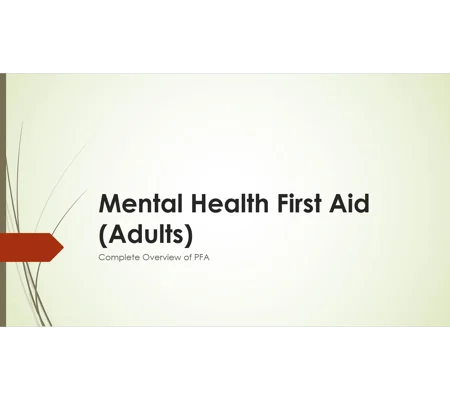
PFA Mental Health First Aid Training ResourcesPsychological First Aid (PFA) This pack focuses on the approved World Health Organisation procedures for overall emergency response and is suitable for a full day of training. Presentation 1 Complete Overview of PFA (70 Slides) Slide Titles: Aims and Objectives Introduction (Background Information including UK Government campaign to train people in basic mental health first aid skills) Every Mind Matters Campaign Public Health England Research Better Health Every Mind Matters Aims of Mental Health First Aid What is Mental Health First Aid? How do Crises Affect People Generally? (Plus Learning Activity 1 and 2) PFA - Sphere (2011), IASC (2007) PFA Hobfoll, et al. (2007) PFA Misconceptions IASC Mental Health and Psychosocial Support (MHPSS) Pyramid Who is PFA for? (Plus Learning Activity 3) People who need more Immediate Advanced Support Normal Reactions to Abnormal Events (Emotional, Mental Physical Social) When is PFA Provided? Where is PFA Provided? PFA Action Principles LOOK (Pay...
Presentation Packs
PFA Personality Disorders Training ResourcesMental Health Personality Disorders Awareness PowerPoint Presentation and Word Documents Presentation Personality Disorders Awareness (53 Slides) Aims and Objectives: Know what a personality disorder is and the symptoms Understand personality disorder categories (cluster groups) Know the effects of specific personality disorders Understand causes, risk factors and complications of personality disorders Gain an overview of treatments for personality disorders Understand the meaning of a crisis situation and help available Know when compulsory hospital detention is appropriate Slide Titles: Aims and Objectives Introduction Every Mind Matters Public Health England What is a Personality Disorder? Symptoms Personality Disorder Clusters Paranoid Personality Disorder Schizoid Personality Disorder Schizotypal Personality Disorder Antisocial Personality Disorder Borderline Personality Disorder Histrionic Personality Disorder Narcissistic Personality Disorder Avoidant Personality Disorder Dep...

Presentation Packs
PICA - Causes and Risk Factors Training ResourcesPICA - Causes and Risk Factors - Health and Social Care Training Resources Learning Objectives: Understand the role of biological factors in the development of PICA. Identify psychological factors that contribute to the occurrence of PICA behavior. Recognize environmental factors that may influence the onset and maintenance of PICA. Explain the relationship between co-occurring conditions or disorders and PICA. Understand the impact of developmental considerations on the manifestation of PICA behavior. Recognize the importance of a comprehensive assessment to determine the underlying causes and risk factors of PICA. Demonstrate knowledge of different theories and models that explain the causes of PICA. Apply a multidimensional approach to understanding the complex interplay of causes and risk factors in PICA. Identify strategies to mitigate and address biological, psychological, and environmental factors associated with PICA. Understand the need for individualized care plans that co...

Presentation Packs
PICA - Health Risks and Complications Training ResourcesPICA - Health Risks and Complications Health and Social Care Training Resources Learning Objectives: Understand the physical consequences and health risks associated with ingesting non-food substances in PICA behaviour Identify the signs and symptoms of poisoning that may result from the ingestion of toxic or hazardous substances Recognise the indicators of gastrointestinal obstruction caused by non-digestible items ingested in PICA Demonstrate knowledge of the potential complications and medical emergencies that can arise from non-food substance ingestion Understand the importance of prompt medical intervention in cases of poisoning or obstruction Identify appropriate first aid measures and emergency response protocols for individuals experiencing health complications due to PICA Demonstrate the ability to differentiate between minor and severe health consequences of ingesting non-food substances Recognise the role of healthcare professionals in assessing and treating the physical ...

Presentation Packs
PICA - Identifying Non Food Substances Training ResourcesPICA - Identifying Non Food Substances Health and Social Care Training Resources Learning Objectives: Identify common objects and substances ingested in PICA behaviour Recognise patterns and trends in the types of non-food substances individuals with PICA may ingest Understand the potential health risks and complications associated with ingesting specific non-food substances Recognise the importance of conducting thorough assessments to determine the specific non-food substances an individual with PICA may be prone to ingest Identify potential triggers or factors that contribute to PICA behaviour Understand the role of sensory factors in the choice of non-food substances ingested in PICA Demonstrate knowledge of the impact of environmental factors on the availability and accessibility of non-food substances Recognise the significance of cultural and social influences on the choice of non-food substances ingested in PICA Identify strategies to minimise or remove access to non-food su...
Presentation Packs
PICA - Introduction to PICA Training ResourcesIntroduction to PICA Health and Social Care Training Resources - this is a general introduction to PICA. Learning Objectives: By the end of the session, participants will be able to: 1. Define PICA and explain its characteristics and prevalence in various care settings. 2. Understand the impact of PICA on individuals, families and care providers. 3. Identify common myths and misconceptions associated with PICA and address them with accurate information. 4. Recognise the importance of raising awareness and understanding of PICA among care workers. 5. Appreciate the need for a non-judgmental and compassionate approach when supporting individuals with PICA. 6. Demonstrate an understanding of the potential challenges and complexities of managing PICA behaviour in care settings. 7. Understand the importance of collaboration and communication with healthcare professionals and multidisciplinary teams in addressing PICA effectively. PowerPoint Presentation (45 slides) Word Documents - Hando...
Presentation Packs
PRN Medication Training ResourcesPRN Medication Adult Residential and Domiciliary Care Settings (Care Staff, Nurses, Supervisors and Managers) Presentation, Handout, Knowledge Check Questions, Trainer Aide Answer Key All files editable. Overall Aim: To ensure health and social care staff understand how to safely, lawfully and person- centredly manage and administer when required (PRN) medicines in adult social care, in line with CQC guidance, so that people receive the right medicine, at the right time, for the right reason, with appropriate recording, review and safeguarding. Learning Objectives: Define what PRN ( when required ) medicines are and when they are used. Understand CQC expectations for policies and care planning. Identify key information that must be recorded and communicated. Recognise person-centred approaches and alternatives to medicines. Understand how to monitor, review and document PRN use safely. Know when to escalate or contact the prescriber. Presentation (38 Slides) Aims Objectives What Are...
Presentation Packs
PUWER Safe Use of Work Equipment Training ResourcesSafe Use of Work Equipment (PUWER) Awareness - General Awareness for all health and social care staff. Presentation, Handout, Knowledge Check Questions, Trainer Aide Answer Key All files editable. Overall Aim: To raise awareness of the safe use of work equipment in health and social care settings in line with the Provision and Use of Work Equipment Regulations 1998 (PUWER). Learning Objectives: To help staff recognise what counts as work equipment in health and social care settings and why it's safe use is important. To ensure staff understand their own responsibilities and those of managers and employers, under PUWER. To enable staff to identify unsafe equipment and know the correct actions to take to keep themselves and others safe. Presentation (22 Slides) Aims and Objectives Introduction Why This Matters What is PUWER? What Counts as Work Equipment in Care Settings? Who Does PUWER Apply To? Employer Responsibilities Manager and Supervisor Responsibilities Staff Responsibilities ...
Presentation Packs
Panic Disorder and Panic Attack Awareness Training ResourcesPanic Attack Disorder Awareness and Panic Attack Awareness and Action to Take - Guide a Care Staff Presentation and Handout Aims and Objectives Overall Aim: To gain and awareness of panic disorder and panic attacks Learning Objectives: Identify the key symptoms, facilitating early recognition and intervention. Understand factors contributing to panic disorder, including biological, environmental and psychological influences. Acquire knowledge about evidence-based treatment approaches, including psychotherapy and medications, to better inform decision-making in the care of individuals with panic disorder Understand practical strategies to create a supportive and therapeutic environment for clients and residents experiencing panic disorder, fostering effective communication, crisis management and holistic care and immediate action to take. Presentation Aims and Objectives Introduction Definition Panic Disorder Definition Panic Attacks Causes and Risk Factors Treatment Prognosis SECTIO...
Presentation Packs
Parkinson's Disease Training ResourcesParkinson's Disease Awareness PowerPoint presentations and Word documents. Presentation 1 - Introduction to Parkinson s disease - Slide Titles: Introduction Who does it affect? What type of condition is it? What causes it? Primary symptoms Symptoms (Rigidity, Bradykinesia, Akinesia ) Progression of symptoms Parkinsonism Dementia How common is Parkinson's disease? Diagnosis Treatment Summary References Presentation 2 - Providing Care for someone with Parkinson s disease - Slide Titles: Aims and objectives Introduction Overview Shaking Rigidity Bradykinesia and Akinesia Postural instability (balance) General Care values Role of the care worker Care planning Summary References Presentation 3 - Treatments for Parkinson s disease - Slide Titles: Aims and objectives Introduction Main treatment Levodopa Delaying Levodopa Treatment overview The 6 main types of drugs Drugs replacing dopamine Drugs mimicking dopamine Drugs blocking acetylcholine Drugs preventing dopamine breakdown Amantadine...
Presentation Packs
Pathway Planning - Roles and Responsibilities Training ResourcesRoles and Responsibilities - Pathway Planning Local Authority Policies and The Role of Specific Services - Pathway Planning Presentation, Handout, Knowledge Check Questions, Trainer Aide Answer Key All files editable. Overall Aim: To develop staff understanding of their roles, responsibilities and contributions in supporting young people through effective, collaborative and person-centred pathway planning. Learning Objectives: Learners will be able to describe the key responsibilities of residential, social care and multi-agency staff involved in pathway planning. Learners will be able to explain how staff work together to ensure coordinated, consistent and young person centred support. Learners will be able to identify how their own role contributes to empowering young people and achieving positive outcomes within the pathway planning process. Presentation (53 Slides) Overall Aim Learning Objectives Why Roles and Responsibilities Matter in Pathway Planning Residential Care Workers ...
Presentation Packs
Pathway Planning - Communication, Participation and Empowerment Training ResourcesCommunication, Participation and Empowerment - Pathway Planning Presentation, Handout, Knowledge Check Questions, Trainer Aide Answer Key All files editable. Overall Aim: To equip staff with the skills, confidence and approaches needed to ensure young people are fully informed, actively involved and genuinely empowered throughout every stage of Pathway Planning. Learning Objectives: Learners will understand the importance of meaningful communication and active participation in supporting young people s engagement in their Pathway Plan. Learners will be able to apply strengths-based, person-centred and culturally competent approaches that promote inclusion and respect for individuality. Learners will recognise how to encourage the young person s voice in decision-making and facilitate effective advocacy through internal and external support networks. Presentation (39 Slides) Overall Aim Learning Objectives Introduction Why Communication and Participation Matter Features of Meaningful...
Presentation Packs
Pathway Planning - DfE Guidance Overview Training ResourcesDfE Guidance Overview - Pathway Planning Presentation, Handout, Knowledge Check Questions, Trainer Aide Answer Key All files editable. Overall Aim: To provide staff with an understanding of the core principles contained in the DfE (2011) guidance on planning transitions to adulthood, ensuring care leavers receive consistent, structured and person- centred support. Learning Objectives: Explain the purpose and key principles of the DfE guidance for supporting care leavers Identify the key areas that should be assessed and included in a Pathway Plan to support successful transitions. Learn about the key topics included in the guidance. Presentation (53 Slides) Overall Aim Learning Objectives What is Pathway Planning? DfE Guidance (2011): Planning Transition to Adulthood for Care Leavers DfE Guidance - Early and Individualised Planning Why It Matters DfE Guidance - Focus on Independence Skills Why It Matters DfE Guidance - Person Centred Pathway Plans Why It Matters DfE Guidance - Multi...
Presentation Packs
Pathway Planning - Key Components of a Pathway Plan Training ResourcesKey Components of a Pathway Plan - Pathway Planning Presentation, Handout, Knowledge Check Questions, Trainer Aide Answer Key All files editable. Overall Aim: To provide staff with a clear understanding of the essential components of a Pathway Plan and how each part supports effective, person-centred transition planning for care leavers. Learning Objectives: Learners will be able to identify the core sections of a statutory Pathway Plan and explain their purpose in supporting the young person s transition to adulthood. Learners will understand how information relating to health, education, accommodation, relationships, finances and independence skills is assessed and recorded within the Pathway Plan. Learners will recognise their role in contributing accurate, person-centred information to the Pathway Plan and ensuring the young person s voice is central to all planning. Presentation (36 Slides) Overall Aim Learning Objectives Introduction Assessing Needs and Aspirations Core Sectio...
Presentation Packs
Pathway Planning - Legislation Overview and DutiesLegislation Overview and Duties - Pathway Planning Presentation, Handout, Knowledge Check Questions, Trainer Aide Answer Key All files editable. Overall Aim: To develop an understanding of the key legislation and statutory duties that govern Pathway Planning for looked-after children and care leavers in England. Learning Objectives: Identify the main legal frameworks that outline responsibilities towards looked-after children and care leavers, including the Children Act 1989 and subsequent amendments. Explain the duties and requirements set out in the Care Leavers (England) Regulations 2010 and Children and Social Work Act 2017 in relation to Pathway Plans and Personal Adviser support. Describe how the Children s Homes (England) Regulations 2015 and associated Quality Standards promote education, leadership and independence in supporting young people s transition to adulthood. Presentation (36 Slides) Overall Aim Learning Objectives Introduction Children Act 1989 Duties towards Look...
Presentation Packs
Pathway Planning - Local Authority Policies and The Role of Specific Services Training ResourcesLocal Authority Policies and The Role of Specific Services - Pathway Planning Presentation, Handout, Knowledge Check Questions, Trainer Aide Answer Key All files editable. Overall Aim: To enable staff to understand how local authority policies and key services support care-experienced young people in planning and achieving a safe, gradual transition to independence. Learning Objectives: Learn about the purpose of local authority leaving care policies and how they guide pathway planning. Identify the roles of the Virtual School, Leaving Care Teams and Information, Advice and Guidance (IAG) services in supporting care leavers. Recognise how staff can work effectively with these services to empower young people and coordinate multi-agency support. Presentation (53 Slides) Overall Aim Learning Objectives Introduction Local Authority Policies Purpose of Local Authority Leaving Care Policies How They Guide Pathway Planning Why It Matters The Role of The Virtual School Key Practice Element...
Presentation Packs
Pathway Planning - Promoting Independence Skills Training ResourcesPromoting Independence Skills - Pathway Planning Presentation, Handout, Knowledge Check Questions, Trainer Aide Answer Key All files editable. Overall Aim: To provide staff with the knowledge and confidence to effectively promote, assess and support young people s independence skills as an essential part of statutory Pathway Planning Learning Objectives: Learners will be able to explain why independence skills are vital for preparing young people for adulthood and successful transitions. Learners will be able to identify key areas of independence development and how these are assessed and recorded within the Pathway Plan. Learners will recognise their role in supporting, teaching and reviewing independence skills in a person-centred, empowering and developmentally appropriate way. Presentation (36 Slides) Overall Aim Learning Objectives Introduction Why Independence Skills Matter Why Independence Skills Are Especially Important for Care-Experienced Young People Links to Pathway Plan...
Presentation Packs
Pathway Planning - Purpose and Principles of Pathway Planning Training ResourcesPurpose and Principles of Pathway Planning Presentation, Handout, Knowledge Check Questions, Trainer Aide Answer Key All files editable. Overall Aim: To provide staff with a clear understanding of the purpose, principles and practice of Pathway Planning in supporting care-experienced young people to achieve a safe and successful transition to adulthood. Learning Objectives: Describe what Pathway Planning is and explain why it is essential for preparing young people in care for independence. Identify the core principles of participation, empowerment, inclusion and rights-based practice within the Pathway Planning process. Recognise the roles and responsibilities of corporate parents and residential staff in promoting gradual, supported independence for young people. Presentation (40 Slides) Overall Aim Learning Objectives What is Pathway Planning? Why Does Pathway Planning Matter? Aims of Pathway Planning Principles of Pathway Planning Principle of Participation Principle of Particip...
Presentation Packs
Pathway Planning - Risk Assessment and Safeguarding in Transition Training ResourcesRisk Assessment and Safeguarding in Transition - Pathway Planning Presentation, Handout, Knowledge Check Questions, Trainer Aide Answer Key All files editable. Overall Aim: To equip staff with the knowledge, skills and confidence to identify, assess and manage risks during transition while promoting safe, positive independence for young people. Learning Objectives: Learners will understand the key vulnerabilities young people may face during transition and how these can impact safety and wellbeing. Learners will be able to apply the principles of positive risk-taking to balance independence, opportunity and safety. Learners will recognise how to develop collaborative, person-centred safety plans and respond appropriately when concerns need to be escalated. Presentation (38 Slides) Overall Aim Learning Objectives Understanding Vulnerability During Transition Why Transitions Increase Risk Risk of Homelessness Risk of Exploitation Mental Health Vulnerabilities Risk Related to Independe...
Presentation Packs
Pathway Planning - Supporting Emotional Readiness and Resilience Training ResourcesSupporting Emotional Readiness and Resilience - Pathway Planning Presentation, Handout, Knowledge Check Questions, Trainer Aide Answer Key All files editable. Overall Aim: To equip staff with the understanding and practical skills needed to support care-experienced young people s emotional readiness, resilience and wellbeing as part of effective Pathway Planning. Learning Objectives: Learners will understand how attachment, trauma and past experiences influence a young person s emotional development and readiness for independence. Learners will be able to identify and apply strategies that support emotional literacy, coping skills, resilience and self-esteem in daily practice. Learners will recognise how their role as consistent, trusted adults helps young people manage anxiety, fear of change and the emotional challenges involved in transition planning. Presentation (27 Slides) Overall Aim Learning Objectives Introduction Why Attachment and Trauma Matter in Pathway Planning Attachm...