HSC Training Link
Team Meeting / Toolbox Talks
Physical Abuse - Care Team Talk Level 2Physical Abuse - Care Team Talk Level 2 Audience: Care staff Level: Level 1 Awareness Duration: Approximately 15 minutes 15-Minute Care Team Talk - 11 Pages Short, practical and ready-to-use training resource designed to support regular staff learning, discussion and reflection within health and social care settings. Provides a simple, structured way for managers, team leaders and trainers to cover this important care topic ("Safeguarding Adults - Everyone s Responsibility") with staff without the need for a lengthy training session. Team Talk includes: 1. Trainer Guide - A clear, easy-to-follow guide showing the trainer how to deliver the session within approximately 15 minutes, including the purpose, learning outcomes and suggested timings. 2. Short Scenario - A realistic care-based scenario to help staff think about how the topic may arise in everyday practice. 3. Discussion Questions - Simple, practical questions to encourage staff to think about the topic, share their understan...
Team Meeting / Toolbox Talks
Physical Abuse - Care Team Talk Level 3Physical Abuse - Care Team Talk Level 3 Audience: Care staff, senior care staff and team leaders Level: Level 3 Awareness Duration: Approximately 15 minutes 15-Minute Care Team Talk - 14 Pages Short, practical and ready-to-use training resource designed to support regular staff learning, discussion and reflection within health and social care settings. Provides a simple, structured way for managers, team leaders and trainers to cover this important care topic (Physical Abuse) with staff without the need for a lengthy training session. Team Talk includes: 1. Trainer Guide - A clear, easy-to-follow guide showing the trainer how to deliver the session within approximately 15 minutes, including the purpose, learning outcomes and suggested timings. 2. Short Scenario - A realistic care-based scenario to help staff think about how the topic may arise in everyday practice. 3. Discussion Questions - Simple, practical questions to encourage staff to think about the topic, share their understa...
Presentation Packs
PICA - Causes and Risk Factors Training ResourcesPICA - Causes and Risk Factors - Health and Social Care Training Resources Learning Objectives: Understand the role of biological factors in the development of PICA. Identify psychological factors that contribute to the occurrence of PICA behavior. Recognize environmental factors that may influence the onset and maintenance of PICA. Explain the relationship between co-occurring conditions or disorders and PICA. Understand the impact of developmental considerations on the manifestation of PICA behavior. Recognize the importance of a comprehensive assessment to determine the underlying causes and risk factors of PICA. Demonstrate knowledge of different theories and models that explain the causes of PICA. Apply a multidimensional approach to understanding the complex interplay of causes and risk factors in PICA. Identify strategies to mitigate and address biological, psychological, and environmental factors associated with PICA. Understand the need for individualized care plans that co...

Presentation Packs
PICA - Health Risks and Complications Training ResourcesPICA - Health Risks and Complications Health and Social Care Training Resources Learning Objectives: Understand the physical consequences and health risks associated with ingesting non-food substances in PICA behaviour Identify the signs and symptoms of poisoning that may result from the ingestion of toxic or hazardous substances Recognise the indicators of gastrointestinal obstruction caused by non-digestible items ingested in PICA Demonstrate knowledge of the potential complications and medical emergencies that can arise from non-food substance ingestion Understand the importance of prompt medical intervention in cases of poisoning or obstruction Identify appropriate first aid measures and emergency response protocols for individuals experiencing health complications due to PICA Demonstrate the ability to differentiate between minor and severe health consequences of ingesting non-food substances Recognise the role of healthcare professionals in assessing and treating the physical ...

Presentation Packs
PICA - Identifying Non Food Substances Training ResourcesPICA - Identifying Non Food Substances Health and Social Care Training Resources Learning Objectives: Identify common objects and substances ingested in PICA behaviour Recognise patterns and trends in the types of non-food substances individuals with PICA may ingest Understand the potential health risks and complications associated with ingesting specific non-food substances Recognise the importance of conducting thorough assessments to determine the specific non-food substances an individual with PICA may be prone to ingest Identify potential triggers or factors that contribute to PICA behaviour Understand the role of sensory factors in the choice of non-food substances ingested in PICA Demonstrate knowledge of the impact of environmental factors on the availability and accessibility of non-food substances Recognise the significance of cultural and social influences on the choice of non-food substances ingested in PICA Identify strategies to minimise or remove access to non-food su...
Presentation Packs
PICA - Introduction to PICA Training ResourcesIntroduction to PICA Health and Social Care Training Resources - this is a general introduction to PICA. Learning Objectives: By the end of the session, participants will be able to: 1. Define PICA and explain its characteristics and prevalence in various care settings. 2. Understand the impact of PICA on individuals, families and care providers. 3. Identify common myths and misconceptions associated with PICA and address them with accurate information. 4. Recognise the importance of raising awareness and understanding of PICA among care workers. 5. Appreciate the need for a non-judgmental and compassionate approach when supporting individuals with PICA. 6. Demonstrate an understanding of the potential challenges and complexities of managing PICA behaviour in care settings. 7. Understand the importance of collaboration and communication with healthcare professionals and multidisciplinary teams in addressing PICA effectively. PowerPoint Presentation (45 slides) Word Documents - Hando...
Presentation Packs
Play Therapy Overview Training ResourcesPlay Therapy Overview - Health, Social Care and Education Training Resources PowerPoint Presentation and Word Documents (handout and multiple choice end of session assessment). All editable. Presentation is in sections. Presentation (59 Slides) Aims and Objectives Introduction SECTION - What is Play Therapy? Defintion Core Principles (7 slides) SECTION - History and Development Early Beginnings Emergence of Techniques Development of Play Therapy Models Professionalisation and Recognition Research and Evidence Base Diversity of Approaches SECTION - Types of Play Therapy Child-Centred Play Therapy (CCPT) Directive Play Therapy Filial Therapy Expressive Arts Therapy Sandplay Therapy Play-Based Cognitive Behavioural Therapy Gestalt Play Therapy Narrative Play Therapy SECTION - Techniques and Tools Used Techniques and Tools (4 slides) SECTION - Care Settings and Professionals Utilising Play Therapy Schools Hospitals and Clinics Social Services and Child Welfare Agencies Private Practice ...
Presentation Packs
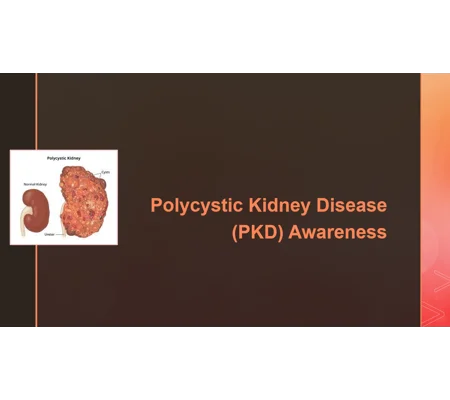
Polycystic Kidney Disease Awareness Training ResourcesPolycystic Kidney Disease Awareness Health and Social Care Teaching Resources Presentation, Handout, End of Session Multiple Choice Assessment (all editable). Aims and Objectives Overall Aim: To enhance understanding of Polycystic Kidney Disease (PKD), types, genetic basis, symptoms, complications, diagnosis, treatment and management, with the goal of equipping healthcare professionals to provide informed support and care to individuals affected by PKD Learning Objectives: Recognise the distinctions between Autosomal Dominant PKD (ADPKD) and Autosomal Recessive PKD (ARPKD) and understand the genetic basis of PKD, including the associated genes. Identify common symptoms such as abdominal pain, blood in the urine and high blood pressure associated with PKD and understand the potential complications, including kidney failure, hypertension, cyst infections, kidney stones and liver cysts. Gain knowledge of diagnostic methods utilising imaging studies and genetic testing, understand the c...
Presentation Packs
Positive Behaviour Support Awareness Level 2 Training ResourcesPositive Behaviour Support Awareness - Level 2 8 Files in total (Presentation, Handout, Quiz, Scenarios (with questions), True/False questions, Trainer Aide Notes for session, Trainer Aide Answers to Scenario Questions, Trainer Aide Answers to Quiz and True/False questions. All editable - includes aims and objectives or you can adapt. Overall Aim : To raise awareness and understanding of Positive Behaviour Support (PBS) and how it can improve the quality of life for people receiving care. Learning Objectives: Understand what Positive Behaviour Support is and why it is important in care settings. Recognise the key principles of PBS and how they support people with challenging behaviour. Identify simple ways to use PBS approaches in day-to-day care work. Presentation (22 slides) Aims and Objectives Welcome and Introduction What is Positive Behaviour Support? Why do People Show Challenging Behaviour? Key Principles of PBS Benefits of PBS Practical Examples in Care Work Your Role in PBS...
Presentation Packs
Positive Behaviour Support Lead Practitioner PBS Training ResourcesPositive Behaviour Support LEAD PRACTITIONER - Training Resources Enough resources for single sessions, single aspects or a two day course with workshops. All editable. These training resources are for LEAD Practioners or those training to be LEAD Practitioner. 37 Files in total (Presentation (in sections) , Handouts x 13, Learning Activity documents x 12 ( with a selection of case studies), 10 Trainer Aides (Model Answers etc.) and End of Session Multiple Choice Assessment. All editable - includes aims and objectives or you can adapt. Overall Aim : To provide staff with the knowledge and skills to implement Positive BehaviourSupport (PBS) in a person-centredmanner, fostering a culture of proactive care and support across all settings Learning Objectives: Understand the key principles and values of Positive Behaviour Support (PBS) Learn how to apply PBS strategies effectively in everyday care practice Explore the role of the Lead Practitioner in leading and embedding PBS within a te...

Presentation Packs
Postural Care Awareness Training ResourcesPostural Care Awareness - suitable for all settings and all staff. Presentation (in Sections), Handout, Knowledge Check Questions, Trainer Aide Answer Key. All files editable. Aims and Objectives: Overall Aim: To raise awareness of the importance of postural care and equip participants with the knowledge to recognise risks and support best practice. Learning Objectives: Understand what postural care is and why it matters for comfort, dignity and health. Recognise the risks associated with poor posture and body shape changes. Identify key methods, equipment and approaches used in 24-hour postural care. Explore how to embed safe and consistent postural care into daily routines and teamwork. Presentation (102 Slides) Aims and Objectives Welcome Introduction Section - Introduction to Postural care Introduction to Postural Care Definition and Principles Why Postural Care Matters Preventing and Managing Body Shape Changes Maintaining Comfort and Dignity Poor Postural Care Some Statistics ...
Miscellaneous
Power and Empowerment Training ResourcesPower and Empowerment - Teaching Resource for Level 5 Leadership and Management for Adult Social Care Unit 501. Presentation and Handout. Both Editable. Overall Aim: Understand the application of this theory of leadership and management. Learning Objectives: Dimensions of power and reflecting on power Sources of power Empowerment Care and control Assessing the applicability of these concepts Presentation (29 Slides) Aims and Objectives Introduction SECTION - Dimensions and Sources of Power SECTION - Defining Empowerment, Care and Control SECTION - Assessing the Applicability of These Concepts References and Further Reading Word Document 5 page Handout Documents saved in Office format. Your choice - Zip Folder or download from Microsoft 365 link (your choice). HSC Training Link Training Resources for Health and Social Care Supplying training resources for the health and social care sector since 2004. Resources purchased are emailed to you via Zip Folder attachment or via Microsoft 36...
Presentation Packs
Prader Willi Syndrome Awareness Training ResourcesPowerpoint presentation and Word document (handout) Prader Willi Syndrome General Awareness (26 slides) - slide titles: Introduction The First Case Modern Research Typical of the Syndrome Typical Stage 1 Typical Stage 2 Cognition Motor Skills Oral Motor and Speech Growth Behaviour Problems Sexual Development Behavioural Problems Weight Management Other Symptoms Self Injury Prevalence Treatment Summary References Word Document 7 page handout HSC Training Link Training Resources for Health and Social Care Supplying training resources for the health and social care sector since 2004. Resources purchased are emailed to you via Zip Folder attachment. All packs are written in a generic style and can easily be adapted to suit your own specific training delivery. Resources are Microsoft Office based. Secure payments via PayPal Merchant Commerce Platform. You do not need a PayPal account to use this payment gateway. Debit and credit card payments accepted.
Presentation Packs
Pre-Diabetes Awareness Training ResourcesPre-Diabetes Awareness - Underpinning Knowledge - A Guide for all Health and Care Staff Health and Social Care Training Resources All fully editable (should you wish to edit). Presentation in sections (so you can use what you need) and also has information specifically for residential adult social care and domiciliary care (in addition to underpinning universal knowledge). Aims and Objectives included if you want to use the presentation as it has been written. Comes with 9 Handouts plus a Multiple Choice End of Session Assessment. Aims and Objectives: Overall Aim: To increase awareness and understanding of pre-diabetes among the health and social care workforce, equipping them with the knowledge and skills to effectively identify, manage and prevent the condition in their care settings. Learning Objectives: Recognise the key risk factors and symptoms of pre-diabetes to facilitate early identification and intervention. Understand the impact of lifestyle modifications, such as diet an...
Presentation Packs
Preparing Staff for Inspection Conversations Training ResourcesPreparing Staff for Inspection Conversations Staff couldn t answer inspector questions " Target Audience: Care Assistants, Senior Carers, Team Leaders, Whole Staff Teams (Pre-Inspection) Presentation, Handouts and Learning Activities. All files editable. Overall Aim: To increase staff confidence and competence in responding to inspection conversations by enabling them to clearly, calmly and professionally explain their everyday practice in line with regulatory expectations. Learning Objectives: Identify how inspectors typically phrase inspection questions. Recognise how questions link to Safe, Effective, Caring, Responsive and Well-Led themes. Structure clear and confident answers using a simple response model. Demonstrate how to avoid over-talking, guessing or defensive responses. Explain their reporting and escalation responsibilities appropriate to their role. Respond appropriately when unsure of an answer while maintaining professional confidence. Presentation (34 Slides) Aim of...
Presentation Packs
Pressure Area Care Pressure Ulcers Awareness Training ResourcesPressure Areas/Ulcers Prevention and Management The variety of material in this pack will ensure that all staff can be trained/made aware to the degree required for their job.Also suitable for teaching students and learners on appropriate Health and Social Care courses. Presentation 1 - Introduction to Pressure Area Care (28 slides) Slide Titles: - Aims - Introduction - What are Pressure Ulcers? - Other Names for Pressure Ulcers - Understanding Oxygen and Blood Flow (Simple) - Oxygen Deprivation and the Skin (Simple) - The Skin - What Causes Pressure Ulcers? - Unrelieved Pressure - Friction - Shearing - Maceration - External Factors - Where Do Pressure Ulcers Develop? - Pressure Area - Who is at Risk? - Others at Risk - The Elderly - Other Risk factors - Medication and Pressure Ulcers - Mental Illness and Pressure Ulcers - Summary - References Presentation 2 - Positioning, Education and Care Plans (17 slides) - Slide Titles: - Aims/Objectives - Introduction - Pressure - Individual A...
Presentation Packs
Pressure Ulcer Prevention Domiciliary Care Level 1 Training ResourcesPressure Ulcer Prevention Domiciliary Care Level 1 Training Resources Presentation, Handout, Knowledge Check Questions, Trainer Aide Answer Key. All files editable. Overall Learning Aim: To understand how pressure ulcers can develop and how domiciliary care staff can help prevent them. Learning Outcomes: Explain what a pressure ulcer is. Recognise some common risks for pressure ulcers. Identify ways to help prevent pressure ulcers. Know what changes to the skin to look out for. Know when and who to report concerns to. Presentation (36 Slides) - Slide Titles: Overall aim and outcomes Introduction What is a Pressure Ulcer? Who May Be at Risk? What Can Increase the Risk? Why is Movement Important? How Can I Help? Helping People to Change Position Looking After the Skin Skin Changes You Should Look For Preventing Pressure Ulcers Nutrition and Hydration Continence Care and Moisture Pressure Relieving Equipment Moving & Handling Avoiding Shearing & Friction Following the Person's Care Pla...

Handouts
Preventing Accidents and Injuries Level 2 Training ResourcesSingle 4 page Handout (Word Document) - Preventing Accidents and Injuries. To supplement Care Certificate Training for care workers new to care home, home care and hospice care. For Care Certificate Module 10 (Health and Safety). HSC Training Link Training Resources for the Health and Social Care Sector
Microteach
Preventing Falls in Care Settings - Microteach SessionMicroteach 'Preventing Falls on Care Settings' Health and Social Care Teaching Resources Word Document containing everything needed for a 10 minute session. Aim: To provide learners with an understanding of the importance of fall prevention in care settings, identify risk factors and implement effective strategies to reduce the incidence of falls. Learning Objectives: Understand the significance of fall prevention. Identify common risk factors for falls. Learn effective strategies to prevent falls. Word Document 1. Introduction (1 minute) 2. Importance of Fall Prevention (2 minutes) 3. Identifying Risk Factors (2 minutes) 4. Strategies for Preventing Falls (3 minutes) 5. Case Study/Scenario (1 minute) 6. Conclusion and Q&A (1 minute) 3 Page Word Document Need resources for a Microteach session not listed on my website? CONTACT ME. HSC Training Link Training Resources for Health and Social Care Supplying training resources for the health and social care sector since 2004. Resources p...

Single Presentations
Principles of Consent (Adults) Training ResourcesSingle Powerpoint presentation and PDF version that can be used as a handout. Principles of Consent (Adults - 40 slides - slide titles: Aims and Objectives Introduction Legal and Clinical Requirement for Consent What is Valid Consent? What is Informed Consent? Capacity to Consent Supporting an Informed Decision Supporting an Informed Decision Steps to Take Decisions About Capacity Unwise Decisions Who Can Provide Consent? Consent Not Given List of Relevant Legislation Mental Capacity Act 2005 Advance Decisions Advance Decisions and End of Life Care Form of Consent Consent Form or Documentation Duration of Consent Interventions Consent for Sharing Information Duty of Confidentiality Duty to Disclose Regulation 11: Need for Consent Finally References PDF PDF version of presentation

Presentation Packs
Privacy and Dignity Domiciliary Care Level 1 Training ResourcesPrivacy and Dignity Domiciliary Care Level 1 Training Resources Presentation, Handout, Knowledge Check Questions and Trainer Aide Answer Key. All files editable. Overall aim: To help domiciliary care staff understand why privacy and dignity are important and how to respect a person s privacy, personal space and confidentiality when providing care in their own home. Learning outcomes: Understand what privacy and dignity mean. Know how to respect people s privacy. Know why confidentiality is important. Know how to respect personal space. Know what to do if privacy or dignity is not respected Presentation (31 Slides) - Slide Titles: Aim and Objectives Introduction What Do We Mean by Privacy and Dignity? Respecting Privacy in Everyday Care Respecting Personal Space Protecting Dignity During Personal Care Respecting Choices and Preferences What Is Confidentiality? When Can Information Be Shared? Keeping Information Safe Everyday Examples: Good or Not Good? What If Privacy or Dignity Is N...

Presentation Packs
Privacy and Dignity Residential Care Level 1 Training ResourcesPrivacy and Dignity Residential Care Level 1 Training Resources Presentation, Handout, Knowledge Check Questions and Trainer Aide Answer Key. All files editable. Overall aim: To help residential care staff understand why privacy and dignity are important and how to protect people s personal information, privacy and personal space when providing care. Learning outcomes: Understand what privacy and dignity mean. Know how to respect people s privacy. Know why confidentiality is important. Know how to respect personal space. Know what to do if privacy or dignity is not respected Presentation (31 Slides) - Slide Titles: Aim and Objectives Introduction What Do We Mean by Privacy and Dignity? Respecting Privacy in Everyday Care Respecting Personal Space Protecting Dignity During Personal Care Respecting Choices and Preferences What Is Confidentiality? When Can Information Be Shared? Keeping Information Safe Everyday Examples: Good or Not Good? What If Privacy or Dignity Is Not Respected? P...
Presentation Packs
PRN Medication Training ResourcesPRN Medication Adult Residential and Domiciliary Care Settings (Care Staff, Nurses, Supervisors and Managers) Presentation, Handout, Knowledge Check Questions, Trainer Aide Answer Key All files editable. Overall Aim: To ensure health and social care staff understand how to safely, lawfully and person- centredly manage and administer when required (PRN) medicines in adult social care, in line with CQC guidance, so that people receive the right medicine, at the right time, for the right reason, with appropriate recording, review and safeguarding. Learning Objectives: Define what PRN ( when required ) medicines are and when they are used. Understand CQC expectations for policies and care planning. Identify key information that must be recorded and communicated. Recognise person-centred approaches and alternatives to medicines. Understand how to monitor, review and document PRN use safely. Know when to escalate or contact the prescriber. Presentation (38 Slides) Aims Objectives What Are...
Presentation Packs
Professional Boundaries Awareness Level 1 Training ResourcesEditable Level 1 resource introducing professional boundaries in health and social care. Includes a full presentation, handout, quiz and assessment. Ideal for induction, refresher training and CPD.