
Displaying results : behaviour

Handouts
Conflict Resolution - Types of Aggressive Behaviour13 Page Handout (Word Document). YOU DO NOT NEED TO BUY THIS IF YOU ARE BUYING THE FULL CONFLICT RESOLUTION PACK This is the handout from Session 1 of the Conflict Resolution full pack. TYPES OF AGGRESSIVE BEHAVIOUR What is conflict? What is aggression? What is physical assault? What is non-physical assault? Definition of violence at work Types of workplace violence Harassment and bullying Sexual harassment How common is workplace violence? Escalating nature of harassment Forms of negative behaviour Violence - consequences Reactions to violence at work Direct outcomes Personal consequences Organisational consequences Violence - legal requirements Harassment and discrimination - legal requirements Equality Act and Human Rights Act Sector specific legal requirements Editable document. If you would like a particular handout from any of my packs (but do not need the full pack) and it is not already listed as available to buy, please contact me.
Presentation Packs
Behaviour Support Plans Training ResourcesBehaviour Support Plans Awareness Presentation, Handout and End of Session Quiz Assessment (mix of multiple choice, true/false, short answer questions), Trainer Aide Answer Key. All files editable. Suitable for any care setting (adults and children). Aims and Objectives: Overall Aim: To equip staff with the knowledge and skills to understand, implement and consistently apply individual Behaviour Support Plans that promote positive outcomes Learning Objectives: Understand the purpose and components of a Behaviour Support Plan (BSP). Recognise the roles of professionals involved in developing BSPs. Learn how to consistently implement strategies such as reward systems and structured choices. Explore real-world scenarios and best practices. Presentation (31 Slides) Aims and Objectives Welcome What Is a Behaviour Support Plan (BSP)? Key Features and Purpose Who Are They For Why It Matters Common Misconceptions About Behaviour Who Develops a Behaviour Support Plan (BSP)? Psychologists and...
Presentation Packs
Hoarder Behaviour Awareness Training ResourcesHoarder Behaviour Awareness - Guide for Social Workers and Community Support Workers All Types Health and Social Care Training Resources All fully editable. Presentation in sections you can choose which sections to use. Aims and Objectives included if you want to use the presentation as it has been written. Comes with a 13 Page Handout, Aide Memoir, Suggested Learning Activities and a Multiple Choice End of Session Assessment. Overall Aim: To equip staff with the knowledge and skills to effectively identify, understand and support individuals who display hoarding behaviour. Learning Objectives: Understand the nature and characteristics of hoarding behaviour. Recognise the impact of hoarding on individuals and communities. Identify signs and symptoms of hoarding behaviour in clients. Learn effective intervention strategies for working with individuals who hoard. Understand legal and ethical considerations in supporting hoarders. Familiarise with available resources and support servic...
Presentation Packs
Sexualised Behaviour and Inappropriate Images Training ResourcesSexualised Behaviour and Inappropriate Images on Devices - Supporting Young People and Children Awareness, Tools and Strategies for Support Workers and similar Suitable for all settings where there are 'looked after' children. Enough resources for full sessions, single aspects or a one day course with workshops. All editable. 14 Files in total (Presentation (in sections) , Handouts x 9, Learning Activity documents x 2 and End of Session Assessment with Trainer Aide Answer Key. Presentation also includes interactive scenarios should the trainer wish to use the learning activity as part of the presentation, rather than in a workshop situation. Aims and Objectives Overall Aim: To equip children's support workers with the knowledge, skills and confidence to recognise, respond to and manage sexualised behaviour and inappropriate use of digital devices in a safe, trauma-informed and legally compliant manner. Learning Objectives: Understand sexualised behaviours in looked-after children Re...

Single Presentations
Anti Social Behaviour & Conduct DisordersSingle PowerPoint. YOU DO NOT NEED TO BUY THIS IF YOU ARE BUYING THE FULL ADHD PACK Presentation - Anti Social Behaviour and Conduct Disorders Awareness (19 slides) Slide Titles: Introduction WHO Classification WHO ICD -10 Prevalence Conduct disorders of ADHD Problems ass. with conduct disorders Social Interaction Care and Treatment Pathways Person Centred Initial assessment Comprehensive assessment Parent Training Programmes Child Focused Programmes Multi modal interventions Medication Service access References
Presentation Packs
Positive Behaviour Support Awareness Level 3 Training ResourcesPositive Behaviour Support Awareness. Suitable for any care setting. Enough resources for single sessions, single aspects or a one day course with workshops. All editable. 16 Files in total (Presentation (in sections) , Handouts x 8, Learning Activity documents x 3 with a selection of case studies) and End of Session Multiple Choice Assessments x 4). Overall Aim : To equip support workers with the knowledge and skills necessary to effectively implement Positive Behaviour Support principles in their daily practice, fostering a supportive and empowering environment for individuals. Learning Objectives: Understand the key principles and concepts of Positive Behaviour Support, including its importance in promoting dignity and autonomy. Identify factors influencing behaviour and apply the ABC Model to analyse and understand challenging behaviours within the context of Positive Behaviour Support. Develop individualised support plans using functional assessment techniques and person-centre...

Scenario Bank
Challenging Behaviour Level 3 (50 Scenarios) Care Worker ScenariosChallenging Behaviour Level 3 (50 Scenarios) Care Worker Scenarios Editable Word document (24 pages) This practical training resource provides a collection of 50 realistic challenging behaviour scenarios designed to help care workers apply Level 1 principles when responding to behaviour that causes concern. Each scenario encourages discussion, reflection and confident decision making when faced with situations where calm communication, professional judgement and safe practice are essential. The document provides trainer guidance, scenario prompts and model responses that support understanding of key responsibilities recognising behaviour that may indicate distress, responding safely, reducing escalation, reporting concerns and maintaining professional boundaries. Ideal for induction, refresher training and CPD, this pack helps staff recognise early signs of challenging behaviour, respond appropriately, manage conflict and reinforce safe, person centred practice. Format: Microsoft Wo...
Scenario Bank
Challenging Behaviour Level 2 (50 Scenarios) Care Worker ScenariosChallenging Behaviour Level 2 (50 Scenarios) Care Worker Scenarios Editable Word document (23 pages) This practical training resource provides a collection of 50 realistic challenging behaviour scenarios designed to help care workers apply Level 2 principles when responding to behaviour that causes concern. Each scenario encourages discussion, reflection and confident decision making when faced with situations where calm communication, professional judgement and safe practice are essential. The document provides trainer guidance, scenario prompts and model responses that support understanding of key responsibilities recognising behaviour that may indicate distress, responding safely, reducing escalation, reporting concerns and maintaining professional boundaries. Ideal for induction, refresher training and CPD, this pack helps staff recognise early signs of challenging behaviour, respond appropriately, manage conflict and reinforce safe, person centred practice. Format: Microsoft Wo...
Scenario Bank
Challenging Behaviour Level 1 (50 Scenarios) Care Worker ScenariosChallenging Behaviour Level 1 (50 Scenarios) Care Worker Scenarios Editable Word document (23 pages) This practical training resource provides a collection of 50 realistic challenging behaviour scenarios designed to help care workers apply Level 1 principles when responding to behaviour that causes concern. Each scenario encourages discussion, reflection and confident decision making when faced with situations where calm communication, professional judgement and safe practice are essential. The document provides trainer guidance, scenario prompts and model responses that support understanding of key responsibilities recognising behaviour that may indicate distress, responding safely, reducing escalation, reporting concerns and maintaining professional boundaries. Ideal for induction, refresher training and CPD, this pack helps staff recognise early signs of challenging behaviour, respond appropriately, manage conflict and reinforce safe, person centred practice. Format: Microsoft Wo...

Microteach
Managing Aggressive Behaviour in Care Settings - Microteach SessionMicroteach 'Managing Aggressive Behaviour in Care Settings' Health and Social Care Teaching Resources Word Document containing everything needed for a 10 minute session. Aim: To provide learners with an understanding of strategies and techniques for managing aggressive behaviour in care settings, ensuring the safety and wellbeing of both care recipients and care providers. Learning Objectives: Understand the causes of aggressive behaviour. Learn effective strategies for managing aggression. Explore techniques for ensuring safety in care settings. Word Document 1. Introduction (1 minute) 2. Understanding Aggressive Behaviour (2 minutes) 3. Strategies for Managing Aggressive Behaviour (4 minutes) 4. Case Study/Scenario (1 minute) 5. Conclusion and Q&A (1 minute) 3 Page Word Document Need resources for a Microteach session not listed on my website? CONTACT ME. HSC Training Link Training Resources for Health and Social Care Supplying training resources for the health and social care sec...
Presentation Packs
Positive Behaviour Support Awareness Level 2 Training ResourcesPositive Behaviour Support Awareness - Level 2 8 Files in total (Presentation, Handout, Quiz, Scenarios (with questions), True/False questions, Trainer Aide Notes for session, Trainer Aide Answers to Scenario Questions, Trainer Aide Answers to Quiz and True/False questions. All editable - includes aims and objectives or you can adapt. Overall Aim : To raise awareness and understanding of Positive Behaviour Support (PBS) and how it can improve the quality of life for people receiving care. Learning Objectives: Understand what Positive Behaviour Support is and why it is important in care settings. Recognise the key principles of PBS and how they support people with challenging behaviour. Identify simple ways to use PBS approaches in day-to-day care work. Presentation (22 slides) Aims and Objectives Welcome and Introduction What is Positive Behaviour Support? Why do People Show Challenging Behaviour? Key Principles of PBS Benefits of PBS Practical Examples in Care Work Your Role in PBS...
Presentation Packs
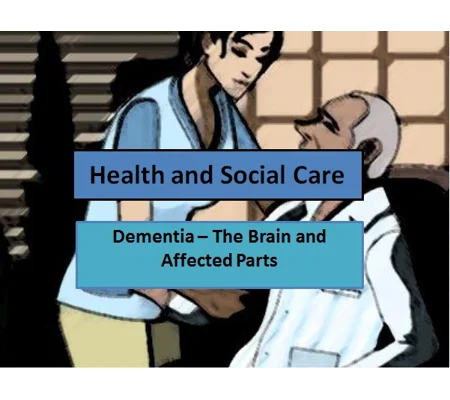
Dementia Behaviour Changes Training ResourcesDementia - Understanding Brain Changes and Related Behaviour Changes Includes underpinning knowledge for common types of dementia, parts of the brain affected and specific changes in how a person with dementia behaves. Suitable for care settings, trainers, training agencies, lecturers etc. Presentation 1 The Brain and Affected Parts (60 slides) Note includes specifics of what a person with dementia can and cannot do Slide Titles: Aims and Objectives Introduction Damage to Brain Cells Understanding Changes General Types of Changes Brain Structure Cerebrum Cerebellum Lobes of the Cerebrum Frontal Lobe Temporal Lobe Parietal Lobe Occipital Lobe Limbic Lobe Other Main Parts of the Brian Functions of Main Parts of the Brain Brain Parts Affected by Dementia Key Points References Presentation 2 Introduction to Dementia (20 slides) Slide Titles: What is Dementia? Dementia Symptoms of Dementia Causes of Dementia Dementia Treatments and Side Effects Alzheimer s Disease Dementia or Ageing Can...
Presentation Packs
Positive Behaviour Support Lead Practitioner PBS Training ResourcesPositive Behaviour Support LEAD PRACTITIONER - Training Resources Enough resources for single sessions, single aspects or a two day course with workshops. All editable. These training resources are for LEAD Practioners or those training to be LEAD Practitioner. 37 Files in total (Presentation (in sections) , Handouts x 13, Learning Activity documents x 12 ( with a selection of case studies), 10 Trainer Aides (Model Answers etc.) and End of Session Multiple Choice Assessment. All editable - includes aims and objectives or you can adapt. Overall Aim : To provide staff with the knowledge and skills to implement Positive BehaviourSupport (PBS) in a person-centredmanner, fostering a culture of proactive care and support across all settings Learning Objectives: Understand the key principles and values of Positive Behaviour Support (PBS) Learn how to apply PBS strategies effectively in everyday care practice Explore the role of the Lead Practitioner in leading and embedding PBS within a te...
Single Presentations
Aggressive Behaviour in the Workplace Training ResourcesSingle PowerPoint. YOU DO NOT NEED TO BUY THIS IF YOU ARE BUYING THE FULL CONFLICT PACK Presentation - Types of Aggressive Behaviours (50 slides) Slide Titles Aims and Objectives Introduction What is Aggression? What is Physical Assault? What is Non-Physical Assault? Definition of Violence at Work Types of Workplace Violence Bullying and Mobbing Harassment and Bullying Sexual Harassment How Common is Workplace Violence? Escalating Nature of Harassment Forms of Negative Behaviour Violence - Groups at Risk Consequences of Violence at Work Reactions to Violence at Work Personal Consequences Consequences for Organisations Violence - Legal Requirements Harassment and Discrimination - Legal Requirements Sector Specific - Legal Requirements End of Session Assessment References
Presentation Packs
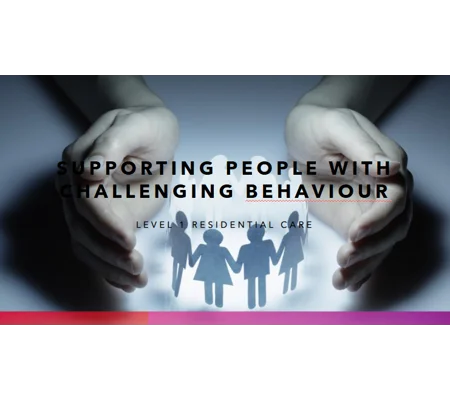
Supporting People with Challenging Behaviour Residential Care Level 1 Training ResourcesSupporting People with Challenging Behaviour Residential Care Level 1 Training Resources Presentation, Handout, Knowledge Check Questions, Trainer Aide Answer Key. All files editable. Overall Learning Aim: To develop awareness of challenging behaviour and how to support people safely, calmly and with dignity. Learning outcomes: Know what challenging behaviour is. Know what can cause challenging behaviour. Know how to respond calmly. Know how to keep people safe. Know when to ask for help. Presentation (36 Slides) - Slide Titles: Aim and Objectives Introduction Presentation (33 Slides) - Slide Titles: Aim and Objectives Introduction What is Challenging Behaviour? Why Might Someone Behave This Way? What Is A Trigger? Common Triggers May Include Recognising Early Signs Look For Changes Such As Helping To Prevent Challenging Behaviour Staying Calm De-Escalation Keeping Everyone Safe What Should Staff Avoid? Supporting The Person After An Incident Reporting and Recording When Should I As...
Presentation Packs
Supporting People with Challenging Behaviour Domiciliary Care Level 1 Training ResourcesSupporting People with Challenging Behaviour Domiciliary Care Level 1 Training Resources Presentation, Handout, Knowledge Check Questions, Trainer Aide Answer Key. All files editable. Overall Learning Aim: To understand how to support people who may show challenging behaviour safely and calmly in their own homes. Learning outcomes: Know what challenging behaviour is. Know what can cause challenging behaviour. Know how to respond calmly. Know how to keep people safe. Know when to ask for help. Presentation (44 Slides) - Slide Titles: Aim and Objectives Introduction What is Challenging Behaviour? Why Might Someone Behave This Way? What Is A Trigger? Common Triggers May Include Recognising Early Signs Look For Changes Such As Helping To Prevent Challenging Behaviour Supporting Someone in Their Own Home Staying Calm De-Escalation Keeping Everyone Safe If You Are Working Alone What Should Staff Avoid? Physical Intervention Supporting The Person After An Incident Reporting and Recording W...
Handouts
Dementia Care How Function/Behaviour is Affected by Damage to Specific Brain Parts16 page handout. YOU DO NOT NEED TO BUY THIS IF YOU ARE BUYING THE FULL DEMENTIA BEHAVIOUR CHANGES PACK. - Introduction - Setting the Scene - Understanding Changes - General Types of Changes - Brain Structure - Functions of Main Parts of the Brain and how Dementia affects these functions/behaviours - References 16 page handout HSC Training Link Health and Social Care Training Resources Supplying training resources for the health and social care sector since 2004. Resources purchased are emailed to you via Zip Folder attachment. All packs are written in a generic style and can easily be adapted to suit your own specific training delivery. Resources are Microsoft Office based. Secure payments via PayPal Merchant Commerce Platform. You do not need a PayPal account to use this payment gateway. Debit and credit card payments accepted. Payments will show on your card statement with my web address and name. HSC Training Link Health and Social Care Training Resources
Presentation Packs
Supporting Children and Young People - Building Healthy Relationships Training ResourcesBuilding Healthy Relationships - Supporting Children and Young People who Display Controlling Behaviour in Relationships Awareness, Tools and Strategies for Support Workers and similar Suitable for all settings where there are 'looked after' children. Enough resources for full sessions, single aspects or a one day course with workshops 12 Files in total (Presentation (in sections) , Handouts x 7, Learning Activity documents x 3 and End of Session Assessment with Trainer Aide Answer Key. Presentation also includes interactive discussion questions. All files editable. Aims and Objectives: Overall Aim: Overall aim:To equip support workers with the knowledge, tools and confidence to identify, challenge and positively redirect controlling behaviour in looked after children (LAC), especially in the context of friendships and romantic relationships. Learning Objectives: Understand what controlling behaviour looks like in friendships and romantic relationships among Looked After Children. E...
Presentation Packs
Challenging Behaviours Awareness Training ResourcesFor use in care settings, for care staff, trainers and training agencies and for use on full and part time courses including QCF (was NVQ). 'Challenging behaviour' is difficult or problem behaviour exhibited by children or adults with a learning disability - it is not however limited to people with a learning disability. This pack gives an awareness of challenging behaviour,why situations can arise and how situations might be prevented. Presentation 1 Introduction to Challenging Behaviours Slide Titles: Introduction What are these behaviours? Why a problem? How common is it? Why does it occur? Child Development Demands Reason - means of control Other Causes Promoting positive change Preventing challenging behaviours Promoting independence Early Intervention Summary References Presentation 2 Challenging Behaviours - Slide Titles: Introduction Statistics Carers Research Control Frustration Mental Health Problems Helping people with challenging behaviours Common problems Specialist Hel...
Presentation Packs
Assertiveness Awareness Training ResourcesAssertiveness Presentation - Assertiveness (23 slides) Word Documents 4 handouts 2 learning activities HSC Training Link Teaching, Training and Development Resources for the Health and Social Care Sector, RQF, QCF (was NVQ) Diploma Level 2 3 4 underpinning knowledge.
Presentation Packs
Learning Disabilities Observational Skills Level 2 Training ResourcesLearning Disabilities - Observational Skills Level 2 Front-Line Support Workers / Care Assistants Observational skills are fundamental in care work they help staff notice changes in behaviour, wellbeing, distress, health needs, triggers and unmet needs. These skills are often part of: Induction training, including the Care Certificate for health and social care support staff. Core capability frameworks for supporting people with learning disabilities. Even roles such as Healthcare Support Worker or Support Worker list observational skills as essential for day-to-day work. Although all care staff should be competent observers to some degree, the level and detail of training vary by role: Front-line care staff / support workers: need practical training in observation, recording behaviour (e.g., ABC charts), identifying triggers, knowing when to escalate concerns. This pack is a Level 2: Front-Line Support Workers / Care Assistants pack (to support practical training). Examples: suppor...
Presentation Packs
Effective Communication Awareness Training ResourcesEffective Communication Awareness Presentation 1 - Communication Cycle (with printable handout) Slide Titles: Introduction Why do People Communicate The Process of Communication The Communication Cycle Ideas Occur Message Coded Message Sent Message Received Message Decoded Message Understood The Communication Cycle What Affects the Communication Cycle How Does it Affect the Communication Cycle Summary Presentation 2 Communication Aggressive, Submissive, Assertive, Avoiding Behaviour Overview (with printable handout and built in discussion learning activities) - Slide topics Introduction Different Types of Behaviour Aggressive Behaviour Avoidance Behaviour Submissive Behaviour Assertive Behaviour Linked Aspects References (plus learning activity slides) Presentation 3 Communication Barriers to Effective Communication Overview - Slide topics Introduction Physical Barriers in General System Design Barriers Attitudinal Barriers Psychological Barriers Language and Cultural Barriers Lingu...
Miscellaneous
Managing Self Unit 509 LO1 Training ResourcesLevel 5 Management and Leadership Qualifications - Managing Self Unit 509 LO1 - WORD DOCUMENT pack covering underpinning knowledge. All documents cover information for learning objective LO1. PACK CONTENTS (ALL WORD DOCUMENTS): LO 1 Understand the importance of self-awareness LO 1.1 Emotions affecting own behaviour and behaviour of others LO 1.1 Learners critically evaluate how their own emotions affect their behaviour and the behaviour of others LO 1.2 Values, belief systems and experiences affecting working practice LO 1.2 Learners analyse their own value and belief systems which affect their working practices and how these have been shaped LO 1.3 Socialisation processes that inform values and beliefs LO 1.3 Learners analyse the impact of different socialisation factors LO 1.4 Strategies for keeping aware of own stress levels and for maintaining wellbeing LO 1.4 Learners evaluate the psychological and physiological effects of work-related stress LO 1.5 Methods of using feedback fr...
Microteach
Dealing with Challenging Behaviours - Microteach SessionMicroteach 'Dealing with Challenging Behaviours' in Health and Social Care Word Document containing everything needed for a 10 minute session. 1. Introduction (1 minute) 2. Understanding Challenging Behaviour (2 minutes) 3. Strategies for Managing Challenging Behaviour (5 minutes) 4. Case Study/Scenario (1 minute) 5. Conclusion and Q&A (1 minute) 3 Page Word Document Need resources for a Microteach session not listed on my website? CONTACT ME. HSC Training Link Training Resources for Health and Social Care Supplying training resources for the health and social care sector since 2004. Resources purchased are emailed to you via Zip Folder attachment. All packs are written in a generic style and can easily be adapted to suit your own specific training delivery. Resources are Word and PowerPoint based. Secure payments via PayPal Merchant Commerce Platform. You do not need a PayPal account to use this payment gateway. Debit and credit card payments accepted.