
Level 3
Level 3 training resources provide staff with the advanced knowledge, analytical skills and professional judgement required to work confidently in complex situations across health and social care. These materials deepen understanding, strengthen decision‑making and support staff who are progressing into senior, supervisory or specialist roles.
Presentation Packs
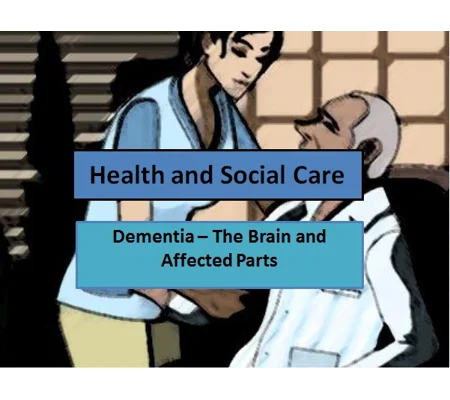
Dementia Behaviour Changes Training ResourcesDementia - Understanding Brain Changes and Related Behaviour Changes Includes underpinning knowledge for common types of dementia, parts of the brain affected and specific changes in how a person with dementia behaves. Suitable for care settings, trainers, training agencies, lecturers etc. Presentation 1 The Brain and Affected Parts (60 slides) Note includes specifics of what a person with dementia can and cannot do Slide Titles: Aims and Objectives Introduction Damage to Brain Cells Understanding Changes General Types of Changes Brain Structure Cerebrum Cerebellum Lobes of the Cerebrum Frontal Lobe Temporal Lobe Parietal Lobe Occipital Lobe Limbic Lobe Other Main Parts of the Brian Functions of Main Parts of the Brain Brain Parts Affected by Dementia Key Points References Presentation 2 Introduction to Dementia (20 slides) Slide Titles: What is Dementia? Dementia Symptoms of Dementia Causes of Dementia Dementia Treatments and Side Effects Alzheimer s Disease Dementia or Ageing Can...
Presentation Packs
Dementia Care Safeguarding Awareness Level 3 Training ResourcesDementia Care - Safeguarding Awareness Level 3 Presentation, 7 x Handouts, 6 x Case Studies/Learning Activities, 7 x Discussion/Reflection Questions plus Model Answers, End of Session Multiple Choice Assessment. Presentation is in sections - Presentation also includes Discussion/Reflection Questions. All files editable. Aims and Objectives: Overall Aim - To equip learners with an in-depth understanding of safeguarding principles in dementia care, enabling them to identify, respond to and prevent abuse or neglect while upholding legal and ethical responsibilities. Learning Objectives: Evaluate the key safeguarding risks specific to individuals with dementia and the impact of cognitive impairment on their vulnerability. Analyse the legal and ethical frameworks that govern safeguarding in dementia care, including the Mental Capacity Act and Deprivation of Liberty Safeguards. Develop appropriate responses to safeguarding concerns, including reporting procedures and multi-agency collabor...

Presentation Packs
Diabetes Special Diets Training ResourcesNutrition - Special Diets - Diabetes This pack can be used as a standalone pack (prior knowledge of nutrition and diabetes assumed) Or - as an addition to the Nutrition and Hydration pack I have (or your own training resources). Pack contains Presentation, Handout and Knowledge Check Questions (and Answer Sheet). This is a basic awareness pack so suitable for all settings and staff. All files editable Aims and Objectives: Overall aim: To equip staff with the knowledge and practical skills to support people with diabetes through safe, balanced and person-centrednutritional care. Learning Objectives -by the end of the session, participants will: Understand the role of diet in diabetes management Recognise how to make appropriate food choices Support blood glucose control Promote independence while considering individual needs and preferences Presentation (34 Slides) Aims and Objectives Welcome and Introduction What is Diabetes? The Role of Diet in Diabetes Management Section - Underst...
Presentation Packs
Dignity Awareness Training ResourcesDignity Awareness Presentation 1 - Factors Affecting Dignity 22 slides Slide Titles: Aims and Objectives Introduction Respect Communication Social Inclusion Autonomy Privacy Hygiene and Appearance Mealtimes Complaints Whistleblowing Summary References Presentation 2 - Care Practice Factors that Threaten Dignity (24 Slides) Slide Titles: Aims and Objectives Introduction Factors affecting Dignity Learning Activity Practical Threats Organisational Threats Food and Drink Organisational Threats Autonomy Organisational Threats Care Planning Hygiene/Appearance Threats Mealtime Threats Complaint Threats Whistleblowing Threats Summary References Presentation 3 - Dignity Challenges (20 Slides) Slide Titles: Aims and Objectives Introduction What is Dignity? Dignity in Care Key Documents Essence of Care - Dignity & Respect Learning Activity Work Factors Personal Factors Dignity Challenges Learning Activity Dignity Champions Summary References Presentation 4 - Workshop (10 Slides) Word Documents...

Scenario Bank
Dignity Level 3 (50 Scenarios) Care Worker ScenariosDignity Level 3 (50 Scenarios) Care Worker Scenarios Editable Word document (22 pages) This practical training resource provides a collection of 50 realistic dignity related scenarios designed to help care workers apply Level 3 principles when promoting dignity and respect in everyday care practice. Each scenario encourages discussion, reflection and confident decision making when faced with situations where empathy, discretion and person centred values are essential. The document provides trainer guidance, scenario prompts and model responses that support understanding of key responsibilities maintaining privacy, supporting choice, respecting individuality, communicating sensitively and upholding dignity in all aspects of care. Ideal for induction, refresher training and CPD, this pack helps staff recognise how dignity underpins quality care, respond appropriately to challenges, and reinforce compassionate, professional practice. Format: Microsoft Word (fully editable) Delivery: Re...
Team Meeting / Toolbox Talks
Discriminatory Abuse - Care Team Talk Level 3Discriminatory Abuse - Care Team Talk Level 3 Audience: Care staff Level: Level 3 Awareness Duration: Approximately 15 minutes 15-Minute Care Team Talk - 13 Pages Short, practical and ready-to-use training resource designed to support regular staff learning, discussion and reflection within health and social care settings. Provides a simple, structured way for managers, team leaders and trainers to cover this important care topic (Emotional/Psychological Abuse) with staff without the need for a lengthy training session. Team Talk includes: 1. Trainer Guide - A clear, easy-to-follow guide showing the trainer how to deliver the session within approximately 15 minutes, including the purpose, learning outcomes and suggested timings. 2. Short Scenario - A realistic care-based scenario to help staff think about how the topic may arise in everyday practice. 3. Discussion Questions - Simple, practical questions to encourage staff to think about the topic, share their understanding and consi...
Presentation Packs
Domiciliary Care Safeguarding Awareness Level 3 Training ResourcesDomiciliary Care - Safeguarding Awareness Level 3 Presentation, 3 x Handouts, Case Study Based Learning Activities (Group and Individual), End of Session Assessment. Presentation is in Sections All files editable. Aims and Objectives: Overall Aim: To provide learners with a comprehensive understanding of safeguarding in domiciliary care, including legal frameworks, best practices and practical strategies for ensuring the safety and well-being of vulnerable individuals in their care. Learning Objectives: Understand the key principles and legislation related to safeguarding in domiciliary care. Identify and respond to signs of abuse, neglect and exploitation in vulnerable individuals. Demonstrate knowledge of the role of the care worker and the processes for reporting safeguarding concerns in domiciliary care. Presentation (76 Slides) Introduction Importance of Safeguarding in the Context of Vulnerable Individuals SECTION - Understanding Safeguarding Key Principles Definition of Safeg...
Presentation Packs
Duty of Care Awareness Training ResourcesDuty of Care Presentation 1 - How Duty of Care Contributes to Safe Practice 16 slides Slide Titles: Aims and Objectives Introduction Duty of Care When does it start? Care settings and duty of care Your duty of care Competence and duty of care Best Interests and duty of care Negligent acts and duty of care Safeguarding and duty of care Finally References Presentation 2 - Duty of Care - Dealing with Incidents, Errors and Near Misses 17 slides Slide Titles: Aims and Objectives Introduction The Law - H&S at Work Act RIDDOR Care Quality Commission Registration Regulations 2009 Care Quality Commission Registration Regulations 2009 (18(2)) RIDDOR - Things to Report What do I need to know? Duty of Care Duty of Care - Abuse Whistleblowing Examples of Incidents Accidents can involve ... Do I need to report all incidents? Finally ... References Presentation 3 - Duty of Care Comments and Complaints 22 slides Slide Titles: Aims and Objectives Introduction The Law Types of Complaints Support with...
Scenario Bank
Duty of Care Level 3 (50 Scenarios) Care Worker ScenariosDuty of Care Level 3 (50 Scenarios) Care Worker Scenarios Editable Word document (23 pages) This practical training resource provides a collection of 50 realistic duty of care scenarios designed to help care workers apply Level 3 principles in everyday practice. Each scenario encourages discussion, reflection and confident decision making when responding to situations when responding to situations where duty of care, professional judgement and safe practice are required. The document provides clear trainer guidance, scenario prompts and model responses that support understanding of key responsibilities recognising when duty of care applies, offering appropriate support, reporting concerns and maintaining professional boundaries. Ideal for induction, refresher training and CPD, this pack helps staff understand their duty of care, respond appropriately to concerns, manage conflicts and reinforce safe, person centred practice. HSC Training Link Training Resources for Health and Social ...
Team Meeting / Toolbox Talks
Emotional/Psychological Abuse - Care Team Talk Level 3Emotional/Psychological Abuse - Care Team Talk Level 3 Audience: Care staff, senior carers, team leaders Level: Level 3 Awareness Duration: Approximately 15 minutes 15-Minute Care Team Talk - 15 Pages Short, practical and ready-to-use training resource designed to support regular staff learning, discussion and reflection within health and social care settings. Provides a simple, structured way for managers, team leaders and trainers to cover this important care topic (Emotional/Psychological Abuse) with staff without the need for a lengthy training session. Team Talk includes: 1. Trainer Guide - A clear, easy-to-follow guide showing the trainer how to deliver the session within approximately 15 minutes, including the purpose, learning outcomes and suggested timings. 2. Short Scenario - A realistic care-based scenario to help staff think about how the topic may arise in everyday practice. 3. Discussion Questions - Simple, practical questions to encourage staff to think about the topi...
Presentation Packs
End of Life Care Awareness Residential & Domiciliary Care Training ResourcesEnd of Life Care BASICS - Core presentation (all staff),plus 3 additional presentations - Residential Care, Domiciliary Care, Non Care Staff - Training Resources Presentations x 4, Handouts x 4, End of Session Assessments x 4, Trainer Aide Answer key x 4. All presentations also include learning activities for all learning objectives. All files fully editable. Presentation 1 - End of Life Care Basics (Core - all staff) - 49 Slides Overall Aim: To provide all staff with a foundational understanding of end of life care, enabling them to support individuals with dignity, recognise changes in condition and respond appropriately within their role... Learning Objectives:Define end of life care and its key principles Describe the importance of person-centred approaches in end of life care Identify common signs that may indicate deterioration or approaching end of life Explain how to communicate sensitively with individuals and those important to them Recognise their role, responsibilities a...
Scenario Bank
End of Life Care Level 3 (50 Scenarios) Care Worker ScenariosEnd of Life Care Level 3 (50 Scenarios) Care Worker Scenarios Editable Word document (24 pages) This practical training resource provides a collection of 50 realistic end of life care scenarios designed to help care workers apply Level 3 principles when supporting people in the final stages of life. Each scenario encourages discussion reflection and confident decision making when faced with situations where compassion clear communication and safe person centred practice are essential. The document provides trainer guidance, scenario prompts and model responses that support understanding of key responsibilities recognising end of life needs offering comfort maintaining dignity recording care accurately reporting concerns and working in line with individual wishes and agreed plans. Ideal for induction, refresher training and CPD, this pack helps staff understand what good end of life care looks like how to respond sensitively how to support families and how to reinforce safe respectfu...
Presentation Packs
Epilepsy Awareness Training ResourcesPowerPoint Presentations and Word Documents (includes multiple choice end of session assessments for all sessions) Epilepsy Understanding, Seizures and First Aid A mixed pack, can be used for in house staff awareness training sessions, first aid sessions and as part of relevant units on full-time and part-time courses. The final presentation in this pack looks at what to do in the event of a seizure. Presentation 1 - Introduction to Epilepsy (20 Slides) Slide Titles: (there is also a simplified version of this session) Trainer Introduction Learning Activity 1 and Ice Breaker Learning Activity 2 Seizures Definition of Epilepsy Physical Causes Genetic Causes Learning Activity 3 Care Value Base Empowerment Diagnosing Learning Activity 4 Points to Remember Effects of Seizures Functional Areas of the Brain Recap End of Session Assessment (Informal) References Presentation 2 - Epilepsy (What it is and who it affects) (21 Slides) Slide Titles: What Epilepsy is, Effects of Seizures Function...
Team Meeting / Toolbox Talks
Financial Abuse - Care Team Talk Level 3Financial Abuse - Care Team Talk Level 3 Audience: Care staff Level: Level 3 Awareness Duration: Approximately 15 minutes 15-Minute Care Team Talk - 11 Pages Short, practical and ready-to-use training resource designed to support regular staff learning, discussion and reflection within health and social care settings. Provides a simple, structured way for managers, team leaders and trainers to cover this important care topic (Financial Abuse) with staff without the need for a lengthy training session. Team Talk includes: 1. Trainer Guide - A clear, easy-to-follow guide showing the trainer how to deliver the session within approximately 15 minutes, including the purpose, learning outcomes and suggested timings. 2. Short Scenario - A realistic care-based scenario to help staff think about how the topic may arise in everyday practice. 3. Discussion Questions - Simple, practical questions to encourage staff to think about the topic, share their understanding and consider how it applies ...

Presentation Packs
Frailty Awareness Training ResourcesUnderstanding Frailty in Health and Social Care Recognising and Supporting People Living with Frailty Presentation, Handout, End of Session Knowledge Check Questions (multiple choice), Trainer Aide Answer Key. All files editable Overall Aim: To raise awareness of frailty, its impact on people s health and wellbeing and the importance of early identification and person- centred care across all health and care settings. Learning Objectives: By the end of this session, participants will be able to: Understand frailty and its impact on health, daily life and care needs. Recognise and categorise frailty using the Electronic Frailty Index (eFI) and observable signs. Apply person-centred approaches and adapt care, communication and environments in multi-disciplinary settings. Presentation (29 Slides) Aims and Objectives Introduction What is Frailty? Why Understanding Frailty Matters Frailty Across the Care Pathway The Electronic Frailty Index (eFI) Signs and Indicators of Frailty Impact on...
Presentation Packs
Gastroparesis Awareness Training ResourcesGastroparesis Awareness - Health and Social Care Staff (including Care Workers, Nurses and Support Staff) Presentation, Handout, Knowledge Check Questions, Trainer Aide Answer Key All files editable. Overall Aim: To raise awareness and understanding of gastroparesis among health and social care staff, enabling them to recognise symptoms, provide safe and compassionate support and work effectively with healthcare professionals to promote nutrition, wellbeing and timely escalation of care. Learning Objectives: Define gastroparesis and understand its causes. Recognise common signs and symptoms. Understand how gastroparesis is diagnosed and managed. Support individuals living with gastroparesis safely and empathetically in care settings. Identify when to seek medical help or escalate concerns. Presentation (43 Slides) Aims and Objectives What Is Gastroparesis? Causes of Gastroparesis - Long Term Diabetes Causes of Gastroparesis Post-Surgical Nerve Damage Causes of Gastroparesis Neurolog...
Presentation Packs
Glucagon Emergency Medication Training ResourcesMedicines - Emergency Medication Glucagon Also gives underpinning knowledge on Severe Hypoglycaemia as well as procedures for administration and management of Glucagon. Presentation, Handout, Knowledge Check Questions x 2, Trainer Aide Answer Key x 2 (one knowledge check is for staff not authorised to administer Glucagon). All files editable. Overall Aim: To equip health and social care staff with the knowledge and confidence to recognise severe hypoglycaemia and safely administer glucagon, while providing appropriate post-administration care and escalation. Learning objectives: Recognise the signs and risks of severe hypoglycaemia. Identify when glucagon is indicated and when it is not. Safely prepare and administer glucagon according to current guidance. Monitor the individual and manage care following administration. Escalate appropriately and document the incident in line with local policy. Presentation (68 Slides) Aims and Objectives Introduction Registered Healthcare Professio...
Presentation Packs
Grief and Bereavement Awareness Training ResourcesTheories of Grief & Bereavement Awareness PowerPoint presentations and Word documents. A training resource focusing on concepts of loss (stages of grief outlined by Kubler-Ross, Bowlby, Freud, Stroebe and Schut, Parkes and Warden) and aspects of bereavement (what it is, common responses, emotional, physical, behavioural and mental reactions, resolution of grief). Presentation 1 Theories of Grief Awareness (54 slides) This session looks at theories of grief and bereavement By the end of the session learners will have an awareness of: Kubler-Ross 5 Stages of Grief Model Bowlby 4 Stages of Grief Model Freud Theory of Mourning Parkes Psychosocial Transitions Stroebe and Schut Dual Process Model Worden Tasks of Grief Model They will also gain an awareness of the differences between types of theories and symptoms and experiences of the stage theories. Slide Titles: Aims and Objectives Introduction KublerRoss Her Work Kubler - Ross Five Stage Model 5 Stage Grief Model Denial 5 Stage Grief...
Presentation Packs
Health and Safety Domiciliary Care Training ResourcesDomiciliary Care - Health and Safety Overview Suitable for domiciliary care settings, homecare, trainers, training agencies and training courses (including QCF Diploma). An overview of the health and safety issues (see list below) faced by domiciliary care staff and includes legislation and risk assessment, employers legal duties, induction and training, main health and safety issues. Presentation (50 slides) (with session hand-out) Slide Titles: Aims and Objectives Introduction Where to Start A Range of Duties Vulnerability Policies and Procedures Employers Legal Duties Risk Assessment Range of Risk Assessment Training and Information Induction Additional Training Equal Access to Information Passive Smoking Manual Handling Manual Handling Risk Assessment Medication Infections Infection Control Personal Protective Equipment PPE Gloves Lone Working Lone Working Risk Assessment Lone Working Driving Violence General Health & Safety Aspects References Further Information Word Document S...
Presentation Packs
Health Related Fixations Supporting Children and Young People Training ResourcesSupporting Young People and Children with Health Related Fixations Health Related Anxiety or Somatic Symptom Fixation Awareness, Tools and Strategies for Support Workers Enough resources for full sessions, single aspects or a one day course with workshops. All editable. 14 Files in total (Presentation (in sections) , Handouts x 4, Learning Activity documents x 7 and End of Session Assessment with Trainer Aide Answer Key. Aims and Objectives: Overall Aim: To equip support workers with the knowledge and skills to respond effectively and compassionately to young people who hold inaccurate beliefs about their health, while promoting emotional well-being and psychological flexibility. Learning Objectives: Understand why children/young people may believe they have medical conditions they don't have Learn how to respond empathetically without reinforcing false beliefs Gain practical strategies to support emotional regulation and resilience Know when and how to involve clinical professional...

Presentation Packs
Healthy Living for People with Type 2 Diabetes Training ResourcesDiabetes - Healthy Living for People with Type 2 Diabetes Presentation, 2 x Handouts, End of Assessment Questions and Trainer Aide Answer Key. All files editable. Overall Aim: To raise awareness of healthy lifestyle choices that help people with type 2 diabetes manage their condition and improve their wellbeing. Learning Objectives: Explain the impact of type 2 diabetes on the body and potential complications. Identify healthy eating principles and practical strategies for blood glucose control. Describe the benefits of regular physical activity and ways to incorporate it into daily life. Recognise the importance of weight management and safe approaches to achieving it. Understand how medicines, monitoring and routine checks support diabetes management. Recognise the role of emotional wellbeing in managing type 2 diabetes. Set realistic, achievable goals to support long-term lifestyle changes. Presentation (37 Slides) Aim and Objectives Understanding Type 2 Diabetes Why Lifestyle Ch...
Presentation Packs
Hyoscine Hydrobromide (Scopotamine) Dementia and Palliative Care Training ResourcesHyoscine Hydrobromide (Scopolamine) in Adult Care Settings Safe Use, Observation and Person-Centred Care (For Nurses and Care Staff Working on the Floor) - Palliative Care and Dementia Care Presentation, Handouts x 4, Knowledge Check Questions x 4, Trainer Aide Answer Key for All Knowledge Check Questions All files editable. Presentation in sections and includes a case study and action to take. Overall Aim: To enable nurses and care staff to safely support people receiving hyoscine hydrobromide by understanding its purpose, benefits and risks, recognising side effects early and working together to provide safe, person-centred care particularly in palliative care and for people living with dementia. . Learning Objectives: Explain what hyoscine is and what it is used for . Recognise when it is commonly used in palliative care . Understand risks when used in people with dementia . Identify side effects and red flags . Know what care staff must observe and report . Understand nurse resp...
Scenario Bank
Incidents Level 3 (50 Scenarios) Care Worker ScenariosIncidents Level 3 (50 Scenarios) Care Worker Scenarios Editable Word document (21 pages) This practical training resource provides a collection of 50 realistic incident scenarios designed to help care workers apply Level 3 incident response principles in everyday practice. Each scenario encourages discussion, reflection and confident decision making when responding to situations where clear reporting, professional judgement and safe practice are required. The document provides trainer guidance, scenario prompts and model responses that support understanding of key responsibilities recognising incidents, recording accurately, reporting concerns promptly, maintaining professional boundaries and following organisational procedures. Ideal for induction, refresher training and CPD, this pack helps staff understand what constitutes an incident, respond appropriately, reduce risk and reinforce safe, person centred practice. Format: Microsoft Word (fully editable) Delivery: Resources emaile...
Presentation Packs
Infection Control Universal Standard Precautions Training ResourcesInfection Control - Universal Standard Procedures Includes Sharps and Personal Protective Equipment Awareness Covers all aspects of Universal Standard Infection Control Procedures (including Sharps and Personal Protective Equipment). Presentation 1 Infectious Agents (with built in speaker notes and activities) Slide Titles: Aims Introduction Chain of Infection Infectious Agents Reservoirs Portals of Exit Modes of Transmission Portals of Entry Susceptible Hosts Summary References Presentation 2 Introduction to Universal Precautions (with built in activities) - Slide Titles: Introduction Breaking the Chain of Infection Duties and Responsibilities of Settings Introducing the Themes of Universal Precautions Hand Washing Drying Hands Summary Presentation 3 Personal Protective Equipment (with built in activities) Slide Titles: Introduction Breaking the Chain of Infection Health and Social Care Settings Universal Precautions Gloves (Sterile and Non-Sterile) Aprons Eye Protection Summary Pr...