Domiciliary Care
This category brings together a collection of editable training packs designed specifically for home‑care environments.
Presentation Packs
Moving and Handling People Training ResourcesMoving and Handling Clients Awareness PowerPoint presentations and Word documents. Presentation 1 - Manual Handling Methods Awareness (41 slides) Slide Titles: Aims & Objectives Golden Rules Manual handling & Lifting Legal Framework Policy Underpinning Principles Teamwork Transfer Rolling or Turning Getting out of bed Rolling over in bed Other moving & positioning Equipment for moving & handling Using equipment Hoists Transfer boards/sheets Slideboards Turn discs Monkey pole/lifting handle Handling belt Hand block Assessing equipment Safe Practice Observation Recording/passing on information References Presentation 2 - Legislation (19 slides) Slide Titles: Aims and Objectives Background Manual handling Operations Regulations LOLER Use of equipment Manual handling Competence Complying with legislation & policy Care value base Court case example Summary References Word Documents (Handouts) Handouts (6) 2 end of session assessments HSC Training Link Teaching, Training and Development R...
Presentation Packs
Muscular Dystrophy Awareness Training ResourcesMuscular Dystrophy Awareness - Guide for Residential and Domiciliary Care Health and Social Care Training Resources All fully editable (should you wish to edit). Presentation in sections you can choose which sections to use. Aims and Objectives included if you want to use the presentation as it has been written. Comes with 5 Handouts plus a Multiple Choice End of Session Assessment. Aims and Objectives: Overall Aim: To increase awareness and understanding of Muscular Dystrophy, enabling provision of high-quality care and support to individuals affected by the condition. Learning Objectives: Define Muscular Dystrophy and identify its various types. Recognise the signs and symptoms of Muscular Dystrophy. Understand the treatment options and diagnosis and assessment. Discuss the physical, emotional and social impact of Muscular Dystrophy. Identify strategies for providing holistic care and support to individuals with Muscular Dystrophy and the importance of collaboration with other hea...
Presentation Packs
Myalgic Encephalomyelitis Chronic Fatigue Syndrome ME CFS Awareness Training ResourcesME/CFS Awareness Myalgic Encephalomyelitis/Chronic Fatigue Syndrome Presentation, Handouts, Case Studies, End of Session Assessment (multiple Choice questions), Trainer Aide Answer key All files editable. Aims and Objectives Overall Aim: To equip learners with essential knowledge and skills to support adults with ME/CFS across various care settings. Learning Objectives: Understand the key symptoms and diagnostic criteria of ME/CFS to improve recognition and assessment in adult care settings. Identify the impact of ME/CFS on daily functioning and quality of life, enabling tailored support strategies. Apply practical communication techniques and care approaches to enhance the well-being and autonomy of individuals with ME/CFS in care environments. Presentation (34 Slides) Aims and Objectives Welcome Introduction Understanding ME/CFS: Definitions and Symptoms Impact on Daily Living and Quality of Life Diagnosis and Management Strategies Care Considerations: Practical Approaches Communi...

Presentation Packs
Nutritional Support Domiciliary Care Training ResourcesDomiciliary Care - Nutritional Support Awareness This pack introduces 'nutitional support' for learners and staff new to the role of care work. It details what nutritional support is and key aspects to be considered for each individual receiving care. Presentation, Handout, End of session multiple choice assessment, All files editable. Overall Aim: To provide domiciliary care staff with a basic understanding of nutritional support and its importance in maintaining the health and well-being of individuals receiving care. Learning Objectives: Understand why balanced and healthy eating is important for individuals receiving domiciliary care. Identify ways to assist individuals with eating, drinking and maintaining good hydration. Recognise the importance of monitoring dietary needs and adapting support to individual preferences and requirements. Presentation (47 slides) Aims and Objectives Introduction The Role of a Domiciliary Care Worker in Supporting Nutrition Understanding Balanced...

Presentation Packs
Oxycodone Awareness Level 1 Training ResourcesOxycodone Awareness Level 1 Training Resources An editable training resource designed for all health and social care staff. It provides a simple introduction to what oxycodone is, why it is prescribed, how to recognise common side effects, and how to respond safely to concerns such as over-sedation or suspected overdose. Ideal for residential care, nursing homes, domiciliary care and supported living services, this ready-to-deliver pack helps staff improve medication awareness and promote safer person-centred care.
Presentation Packs
Person Centred Approaches Domiciliary Care Level 1 Training ResourcesPerson Centred Approaches Domiciliary Care Level 1 Training Resources Presentation, Handout, Knowledge Check Questions and Trainer Aide Answer Key. All files editable. Overall Aim: To develop staff awareness and understanding of person-centred approaches and how these can be applied in domiciliary care to support people's individual needs, choices, rights, dignity and wellbeing. Learning outcomes: Describe what person-centred care means. Identify the key principles of person-centred approaches. Recognise the importance of treating each person as an individual. Identify ways to promote choice, dignity, rights and independence. Presentation 37 Slides - Slide Titles: Overall Aim and Learning Outcomes Introduction What Do We Mean by Person-Centred? The Person Before the Care Needs The Key Principles of Person-Centred Approaches Knowing the Person Choice and Control Dignity and Respect in Everyday Care Promoting Independence Communication: Listening to the Person Supporting Individual Ne...
Presentation Packs
Personal Care Support Domiciliary Care Training ResourcesDomiciliary Care - Personal Care Support Awareness This pack introduces 'personal care support' for learners and staff new to the role of care work. It details what personal care support is and key aspects to be considered for each dividual receiving care. Presentation, handout, end of session multiple choice assessment. learning activity and learning activity answers. All files editable. Overall Aim: To provide an introduction to personal care support, ensuring staff understand the importance of maintaining dignity, hygiene and comfort for individuals receiving domiciliary care. Learning Objectives: Understand the key aspects of personal care support, including hygiene, dressing and toileting. Recognise the importance of dignity, respect and promoting independence when providing personal care. Identify best practices for maintaining hygiene and preventing infection during personal care tasks. Presentation (18 slides) Aims and Objectives Introduction Understanding Personal Care Help...
Presentation Packs
Pressure Ulcer Prevention Domiciliary Care Level 1 Training ResourcesPressure Ulcer Prevention Domiciliary Care Level 1 Training Resources Presentation, Handout, Knowledge Check Questions, Trainer Aide Answer Key. All files editable. Overall Learning Aim: To understand how pressure ulcers can develop and how domiciliary care staff can help prevent them. Learning Outcomes: Explain what a pressure ulcer is. Recognise some common risks for pressure ulcers. Identify ways to help prevent pressure ulcers. Know what changes to the skin to look out for. Know when and who to report concerns to. Presentation (36 Slides) - Slide Titles: Overall aim and outcomes Introduction What is a Pressure Ulcer? Who May Be at Risk? What Can Increase the Risk? Why is Movement Important? How Can I Help? Helping People to Change Position Looking After the Skin Skin Changes You Should Look For Preventing Pressure Ulcers Nutrition and Hydration Continence Care and Moisture Pressure Relieving Equipment Moving & Handling Avoiding Shearing & Friction Following the Person's Care Pla...

Presentation Packs
Privacy and Dignity Domiciliary Care Level 1 Training ResourcesPrivacy and Dignity Domiciliary Care Level 1 Training Resources Presentation, Handout, Knowledge Check Questions and Trainer Aide Answer Key. All files editable. Overall aim: To help domiciliary care staff understand why privacy and dignity are important and how to respect a person s privacy, personal space and confidentiality when providing care in their own home. Learning outcomes: Understand what privacy and dignity mean. Know how to respect people s privacy. Know why confidentiality is important. Know how to respect personal space. Know what to do if privacy or dignity is not respected Presentation (31 Slides) - Slide Titles: Aim and Objectives Introduction What Do We Mean by Privacy and Dignity? Respecting Privacy in Everyday Care Respecting Personal Space Protecting Dignity During Personal Care Respecting Choices and Preferences What Is Confidentiality? When Can Information Be Shared? Keeping Information Safe Everyday Examples: Good or Not Good? What If Privacy or Dignity Is N...
Presentation Packs
PRN Medication Training ResourcesPRN Medication Adult Residential and Domiciliary Care Settings (Care Staff, Nurses, Supervisors and Managers) Presentation, Handout, Knowledge Check Questions, Trainer Aide Answer Key All files editable. Overall Aim: To ensure health and social care staff understand how to safely, lawfully and person- centredly manage and administer when required (PRN) medicines in adult social care, in line with CQC guidance, so that people receive the right medicine, at the right time, for the right reason, with appropriate recording, review and safeguarding. Learning Objectives: Define what PRN ( when required ) medicines are and when they are used. Understand CQC expectations for policies and care planning. Identify key information that must be recorded and communicated. Recognise person-centred approaches and alternatives to medicines. Understand how to monitor, review and document PRN use safely. Know when to escalate or contact the prescriber. Presentation (38 Slides) Aims Objectives What Are...
Presentation Packs
Record Keeping and Documentation Domiciliary Care Level 1 Training ResourcesRecord Keeping and Documentation Domiciliary Care Level 1 Training Resources Presentation, Handout, Knowledge Check Questions, Trainer Aide Answer Key. All files editable. To understand why accurate, timely and lawful record keeping is important when providing safe and person-centred care in people's own homes. Learning outcomes: Explain why care records are important. Describe what information should be recorded. Understand why records must be accurate and up to date. Know how to make clear and factual records. Understand the importance of keeping records confidential and secure. Recognise that care records may be written or electronic. Know what to do if they make a mistake or have a concern. Presentation (46 Slides) - Slide Titles: Aim and Objectives Introduction What Do We Mean by Record Keeping and Documentation? Why Is Good Record Keeping Important? What Should You Record? Accurate Records Timely Recording Factual Recording Clear and Professional Recording Written And Electron...

Presentation Packs
Record Keeping Writing Daily Care Notes That Stand Up To Scrutiny Workshop Training ResourcesWriting Daily Care Notes That Stand Up To Scrutiny Enough resources for a one day workshop. - All files editable - 17 Files in Total. Suitable for care settings where Daily Care Notes have been identified by the CQC as an area for concern. From Vague to Verifiable: Writing Notes That Withstand Scrutiny and Demonstrate Safe Practice Target Audience: Care Assistants | Support Workers | Senior Carers | All Frontline Staff Presentation, Handouts, Learning Activities, End of Session Assessment, Trainer Aide Answer Key (see list below). Overall Aim: To develop frontline staff confidence and competence in writing clear, objective and professional care notes that accurately evidence care delivered and withstand external scrutiny, including inspection and safeguarding review. Learning Objectives: Explain why accurate care recording is essential. Distinguish between objective and subjective language. Identify common recording weaknesses flagged during inspection. Apply a clear structure to ca...
Presentation Packs
Record Keeping Writing Defensible Daily Notes Evidencing for CQC Training ResourcesRecord Keeping - Writing Defensible Daily Notes Evidencing for CQC - Safe Recording and Evidence Presentation, Handouts x 2, End of Session Knowledge Check Questions x 3 (Care Staff, Seniors/Supervisors/Nurses), Trainer Aide Answer Key x 3 (Care Staff, Seniors/Supervisors/Nurses). All files editable. Overall Training Aim: To ensure staff who record care are able to produce clear, accurate, objective and outcome-focused daily records that reflect the care provided, support continuity of care and stand up to scrutiny by regulators, managers and external bodies, including the Care Quality Commission (CQC) This training supports staff at all levels to produce defensible, outcome-focused daily records that evidence safe, effective and person-centred care in line with CQC expectations. Learning Objectives: - All Staff Who Write Daily Notes Explain the purpose of daily records and how they support safe, person-centred care and regulatory compliance. Describe what makes a daily note defensi...
Presentation Packs
Reporting Audit Spot Check Findings Training ResourcesDomiciliary Care - Reporting Audit and Spot Check Findings & Follow-Up Presentation, Handout and Multiple Choice End of Session Assessment All files editable. Aims and Objectives: Overall Aim: To equip learners with the knowledge and skills needed to effectively report audit and spot check findings, create action plans and monitor progress for continuous care improvement. Learning Objectives: Understand how to report audit and spot check findings clearly and accurately. Learn how to develop effective action plans for improving care standards. Gain skills in monitoring and reviewing progress to ensure ongoing improvements Presentation (21 Slides) Aims and Objectives Introduction Key Elements of an Audit Report Reporting Style When to Report Who to Report To and Follow Up Actions Action Plans for Improvement Key Components of an Action Plan Responsible Person(s) Best Practices for Creating Action Plans Simple Example of an Action Plan (1) Simple Example of an Action Plan (2) Monitorin...
Presentation Packs
Rheumatoid Arthritis Awareness Training ResourcesRheumatoid Arthritis Awareness - Residential and Domiciliary Care Settings (level 2) Presentation, Handout, End of Session Short Assessment (mix of multiple choice, true/false and short answer questions), Trainer Aide Answer Key End of Session Assessment. All editable. Aims and Objectives Overall Aim: To help care workers understand what Rheumatoid Arthritis is and how they can support people with the condition in their day-to-day care. Learning Objectives: Know what Rheumatoid Arthritis is and be able to spot common signs and symptoms. Understand how Rheumatoid Arthritis can affect a person s daily life and how care workers can help. Be able to give safe and supportive care that meets the needs of people living with Rheumatoid Arthritis. Presentation (50 Slides) Aims and Objectives Welcome What is Rheumatoid Arthritis? RA - An Autoimmune Condition RA vs Osteoarthritis - What's the Difference? Which Joints and Systems are Affected? How Common is RA? What Causes RA? Genetic Risk Envi...

Presentation Packs
Safe Staffing and Recruitment Training ResourcesSafer Staffing Safer Recruitment - all Care Settings (children and adults) PowerPoint presentations and Word documents. This training pack looks at the process of safe staffing - from recruitment to induction to ongoing employment. It also looks at the safety aspects of requesting agency staff to cover vacant shifts. There are 2 presentations. The first is an in depth session of the entire staff staffing process. The second looks at the DBS scheme. Presentation - Safer Staffing Awareness (68 Slides) - Slide Titles: Aims and Objectives Introduction Legislation Recruitment process Safeguarding responsibilities Bichard DBS checks Finding the right candidate Recruitment process- methods/tests Selection panel Core documents Person specifications Conducting an interview Offering employment and DBS checks Pre appointment checks Professional registration and qualification checks Employment history and reference checks Work health assessments Ex offenders DBS checks and identity checks Check...
Presentation Packs
Safeguarding Designated Safeguarding Lead DSL) Training ResourcesSafeguarding - Designated Safeguarding Lead (DSL) - All Settings ADVANCED KNOWLEDGE - STRATEGIC - OPERATIONAL - ROLES AND RESPONSIBILITIES ALL SETTINGS Enough resources for single sessions, single aspects or a one day course with workshops. All editable. 15 Files in total (Presentation (in sections) , Handouts x 7, Learning Activity documents x 5 (includes case studies) and End of Session Assessment with Trainer Aide Answer key. Aims and Objectives: Overall Aim:To equip Designated Safeguarding Leads with the advanced knowledge, strategic insight and leadership skills required to manage safeguarding arrangements confidently and effectively across diverse care settings, ensuring robust protection for children, young people and adults at risk Learning Objectives: Statutory and regulatory safeguarding frameworks relevant to DSL practice and application to complex, real-world scenarios across care settings. Leadership role in creating and sustaining a proactive safeguarding culture, incl...
Presentation Packs
Safeguarding Residential, Domiciliary and Dementia Settings Level 5 Training ResourcesSafeguarding Level 5 - Residential, Domiciliary and Dementia Settings Presentation, 15 x Handouts, 17 x Case Study Based Learning Activities (Group and Individual), 16 x Post Activity Trainer Aide (Answers), Presentation is in Sections. All files editable. Aims and Objectives: Overall Aim: To equip senior health and social care professionals with the knowledge, skills and confidence to lead safeguarding practices effectively across a range of adult care settings, ensuring compliance, safety and person-centred care. Learning Objectives: Understand the legal and regulatory framework underpinning safeguarding in adult social care. Develop strategic approaches to identifying, managing and responding to safeguarding concerns in complex care environments. Strengthen multi-agency collaboration and leadership in safeguarding within and across care settings. Presentation (150 Slides) Aims and Objectives Introduction to Level 5 Safeguarding Key Focus Areas Strengthening Leadership Section - T...

Presentation Packs
Safety and Environmental Support Domiciliary Care Training ResourcesDomiciliary Care - Safety and Environmental Support Awareness This pack introduces 'safety and environmental support' for learners and staff new to the role of care work. It details what this support is and key aspects to be considered for each individual receiving care. Presentation, Handout, End of session multiple choice assessment case studies with reflection questions, case study reflection questions answers. All files editable. Overall Aim: This pack introduces 'nutritional support' for learners and staff new to the role of care work. It details what nutritional support is and key aspects to be considered for each individual receiving care. Presentation, Handout, End of session multiple choice assessment, All files editable. Overall Aim: To introduce staff to the importance of ensuring a safe and clean living environment in domiciliary care settings, focusing on preventing accidents and promoting the well-being of service users. Learning Objectives: Identify common hazards in ...
Presentation Packs
Serious Incidents and Near Misses Learning from Them Training ResourcesRegistered Managers - Learning from Serious Incidents and Near Misses CQC Compliance Governance, Investigation & CQC Compliance for Registered Managers Enough resources for a one day workshop or use the resources for a training session. All files editable. Presentations x 2 (One in Sections, the other learning activities for each section), Word Document handout and 9 Word Document Learning Activities (one of which are reflection/discussion Questions). Overall Aim: To equip Registered Managers with the knowledge, skills and governance tools required to effectively manage serious incidents and near misses, embed a learning culture and demonstrate regulatory compliance and continuous improvement. Learning Objectives: By the end of the session, learners will be able to: Define serious incidents and near misses within adult social care. Explain their legal and regulatory responsibilities as a Registered Manager. Apply a structured approach to incident investigation. Conduct basic root ca...

Presentation Packs
Spot Checks in Care Audits Domiciliary Care Training ResourcesDomiciliary Care - Spot Checks in Care Audits Presentation, Handout and Multiple Choice End of Session Assessment All files editable. Aims and Objectives: Overall Aim: To provide participants with the knowledge and skills to conduct effective spot checks in domiciliary care, ensuring high standards and compliance. Learning Objectives: Understand the definition and importance of spot checks in maintaining care quality. Learn when and how to conduct spot checks, focusing on timing and frequency. Develop the ability to create checklists. Presentation (18 Slides) Aims and Objectives Introduction Definition and Purpose of Spot Checks Benefits of Spot Checks Frequency and Timing Key Factors Influencing Frequency Timing Considerations Areas to Cover During Spot Checks Audit Checklist Example Common Issues Detected During Spot Checks Common Findings Creating a Checklist for Spot Checks - Defining Key Areas for Review Creating a Checklist for Spot Checks Summary References and Further Readin...

Presentation Packs
Status Epilepticus Training ResourcesStatus Epilepticus Awareness - A Guide for Care Staff Presentation, Handout, End of Session Multiple Choice Assessment (all editable). Aims and Objectives Aim: The aim of this presentation is to enhance the knowledge and skills of UK residential care and domiciliary care staff in recognizing, responding to, and contributing effectively to the management of epilepsy, with a focus on status epilepticus. Learning Objectives: Understand the critical importance of timely medical attention in the management of status epilepticus and its potential life-threatening consequences. Familiarize oneself with the criteria for defining status epilepticus, enabling prompt recognition and appropriate intervention. Gain a basic insight into the available treatments for status epilepticus, including the administration of medications and the importance of early ambulance involvement. Develop an awareness of the role care staff can play in identifying and addressing underlying triggers or causes of epil...
Presentation Packs
Supervision and Support Training ResourcesSupervision and Support PowerPoint presentations and Word documents. Looking at various aspects of the supervision process. A complete 'How To' with templates for use in the supervision process. Also includes training material on Policies and Procedures. The pack also includes templates of records to use. Suitable for care managers and supervisors. Presentation 1 - Introduction to Supervision (18 slides) Slide Titles: Aims and Objectives Introduction Appropriate Setting Areas to Cover Observation Records Confidentiality Conclusion Relevant Legislation References Presentation 2 - Supervision (56 slides) Slide Titles: Aims and Objectives Introduction Definitions Relevant Legislation Golden Rules CQC Minimum Standards The Purpose of Supervision Informal Supervision Principles of Supervision Reflective Practice Supervision Outcomes For Staff Monitoring Documents Quality of Supervision Setting Objectives Objective Categories SMART Objectives Expressing Objectives Setting Up A Supervision...
Presentation Packs
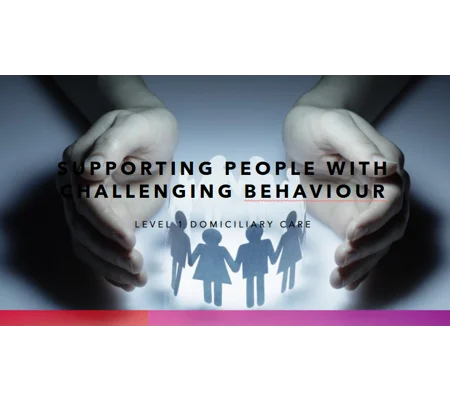
Supporting People with Challenging Behaviour Domiciliary Care Level 1 Training ResourcesSupporting People with Challenging Behaviour Domiciliary Care Level 1 Training Resources Presentation, Handout, Knowledge Check Questions, Trainer Aide Answer Key. All files editable. Overall Learning Aim: To understand how to support people who may show challenging behaviour safely and calmly in their own homes. Learning outcomes: Know what challenging behaviour is. Know what can cause challenging behaviour. Know how to respond calmly. Know how to keep people safe. Know when to ask for help. Presentation (44 Slides) - Slide Titles: Aim and Objectives Introduction What is Challenging Behaviour? Why Might Someone Behave This Way? What Is A Trigger? Common Triggers May Include Recognising Early Signs Look For Changes Such As Helping To Prevent Challenging Behaviour Supporting Someone in Their Own Home Staying Calm De-Escalation Keeping Everyone Safe If You Are Working Alone What Should Staff Avoid? Physical Intervention Supporting The Person After An Incident Reporting and Recording W...