Displaying results : mental health

Presentation Packs
Gold Standards Framework Awareness Training ResourcesGold Standards Framework Awareness Presentation (in sections), Handout and End of Session Assessment (Multiple Choice). All editable to suit your training session and audience should you wish to edit. This presentation (54 slides) is in sections). The session can be used as it has been written or you can choose to use specific sections. Aims and Objectives: Overall Aim: To equip health and social care staff with the knowledge and practical skills needed to implement the Gold Standards Framework (GSF) in end-of-life care, ensuring high-quality, coordinated and compassionate care for patients. Learning Objectives: Understand the key principles and core components of the Gold Standards Framework in end-of-life care. Identifying patients in the last year of life using the GSF tools and criteria. Skills to create and review personalised care plans in collaboration with patients and families. Strategies for effective communication and coordination within multidisciplinary care teams to im...
Presentation Packs
Motor Neurone DiseaseMotor Neurone Disease - A Guide for Health and Social Care Staff - Understanding and Supporting Individuals with Motor Neurone Disease Presentation (in sections), 12 Handouts and End of Session Assessment (Multiple Choice). All editable to suit your training session and audience should you wish to edit. This presentation (77 slides in sections) equips health and social care staff with the knowledge and skills to support individuals with MND. The session can be used as it has been written or you can choose to use specific sections. Aims and Objectives: Overall Aim: To equip staff in adult care settings with the knowledge, skills and confidence to provide compassionate, person-centred care for individuals living with Motor Neurone Disease (MND), while addressing their unique physical, emotional and social needs. Learning Objectives: Understand the key characteristics, progression and impact of MND on individuals and their families. Recognise and address the complex care needs associat...
Presentation Packs
Effects of Abuse on Child Development Training ResourcesThe Impact of Abuse on Child Development Presentation 1 - The Impact of Abuse (60 slides) Slide Titles: Aims and Objectives Introduction Government Statistics, Children under one Types of Maltreatment Physical Abuse Sexual Abuse Emotional Abuse Neglect Emotional Abuse and Neglect Maltreatment during Pregnancy Overall Impact Effects of Substance Abuse FASD Intimate Partner Violence Impact of Maltreatment on Early Years (Brain Development) Attachment Parent-Child Interaction Toxic Stress Chronic Stress Toxic Stress Lack of Stimulation Impact of Maltreatment on Later Childhood and Adolescence Later Effects Middle to Late Childhood Adolescence Later Life Physical Problems Summary References Presentation 2 - Parental Problems As Risk Factors (21 slides) Slide Titles: Aims and Objectives Introduction Problems Affecting Parenting Capacity Intergenerational Cycle of Child Maltreatment Protective Factors Risk Factors (Parental Problems) Parental Mental Illness Learning Disability Parental Su...
Presentation Packs
PFA Personality Disorders Training ResourcesMental Health Personality Disorders Awareness PowerPoint Presentation and Word Documents Presentation Personality Disorders Awareness (53 Slides) Aims and Objectives: Know what a personality disorder is and the symptoms Understand personality disorder categories (cluster groups) Know the effects of specific personality disorders Understand causes, risk factors and complications of personality disorders Gain an overview of treatments for personality disorders Understand the meaning of a crisis situation and help available Know when compulsory hospital detention is appropriate Slide Titles: Aims and Objectives Introduction Every Mind Matters Public Health England What is a Personality Disorder? Symptoms Personality Disorder Clusters Paranoid Personality Disorder Schizoid Personality Disorder Schizotypal Personality Disorder Antisocial Personality Disorder Borderline Personality Disorder Histrionic Personality Disorder Narcissistic Personality Disorder Avoidant Personality Disorder Dep...
Presentation Packs
Safeguarding Introduction to Safeguarding Adults Residential Care Training ResourcesIntroduction to Safeguarding Health and Social Care Training Resources - this is a general introduction to Safeguarding. Aims; To provide an understanding of the concept of safeguarding adults in residential care To familiarise care home staff with the importance of safeguarding adults and their role in ensuring the safety and well-being of residents. To enhance awareness of different types of abuse and neglect and their potential impact on individuals and the care home setting. To establish a clear understanding of the duty of care and the specific responsibilities of care home staff in safeguarding adults. Learning Objectives: A. Definition and importance of safeguarding adults Define safeguarding adults in the context of residential care. Explain the significance of safeguarding adults in promoting well-being and protecting vulnerable individuals. Understand the legal and ethical implications associated with safeguarding adults. B. Types of abuse and neglect Identify and describe...

Presentation Packs
BOOK - Directive Play Therapy AwarenessDirective Play Therapy - An Overview (Health and Social Care Training Resources) Paperback 21 May 2024 (131 Pages). ISBN-13 : 979-8326173553 Synopsis: "Directive Play Therapy - An Overview" provides a comprehensive examination of Directive Play Therapy, a structured and goal-oriented approach to child therapy. Chapter 1: Key Features of Directive Play Therapy This chapter introduces the foundational elements of Directive Play Therapy, highlighting its structured nature and goal-oriented focus. It discusses the role of the therapist in guiding play sessions, the importance of structured activities, and the integration of play and therapy. The chapter also explores the empowerment and collaboration inherent in this approach, emphasizing how therapists involve children in decision-making and goal-setting. Chapter 2: Common Scenarios This chapter delves into the various contexts in which Directive Play Therapy is applied. It examines its use with children facing anxiety, depression, pho...
Presentation Packs
Learning Disabilities Mild – Promoting Self-Advocacy and Empowerment Training ResourcesLearning Disabilities Promoting Self-Advocacy and Empowerment A Guide for Care Workers and Support Workers A Learning Disability-Focused Approach for Health and Social Care staff Presentation (with discussion prompts), Handout, End of Session Assessment, Trainer Aide Answer Key. All files editable. Aims and Objectives: Overall Aim: To raise awareness and understanding of mild learning disabilities and equip care workers and support staff with practical knowledge and tools to support self-advocacy and empowerment. Learning Objectives: Define mild learning disabilities and recognise common characteristics and challenges individuals may face. Understand the importance of promoting self-advocacy in those with mild learning disabilities. Identify practical strategies and communication techniques to support empowerment in everyday care settings. Presentation (55 Slides) Aims and Objectives Welcome What Is a Mild Learning Disability? Recognising Signs and Characteristics Lived Experiences ...
Miscellaneous
Independent Advocacy and Adult Care Unit 513 Introduction Training ResourcesUnit 513 Independent Advocacy and Adult Care training pack for Level 5 Management and Leadership. Word document resource supporting trainers and learners with clear guidance legal duties and required actions.

Single Presentations
Protecting Human Rights in Residential Care Settings Training ResourcesPowerPoint Presentation and PDF Version (for handout) This session assumes a basic underpinning knowledge of the Human Rights Act and Mental Capacity Act . It looks at human rights issues identified by a 2022 parliamentary inquiry The session is designed for care settings including: Care homes , assessment and treatment units , hospitals , housing schemes, other environments . Protecting Human Rights in Care Settings - 59 slides: Aims and Objectives Introduction Human Rights Regulatory Framework SECTION Provision of Care - Medical and Personal Needs Medical and Personal Needs Case Study 1 from Parliamentary Inquiry Medical and Personal Needs - Questions for Care Settings Case Study 2 from Parliamentary Inquiry Medical and Personal Needs - Questions for Care Settings Role of CQC CQC - Parliamentary Inquiry SECTION DNACPR Notices DNACPR Notices DNACPR Notices - Parliamentary Inquiry DNACPR Notices Case Study 1 - Parliamentary Inquiry DNACPR Notices Case Study 2 - Parliamentary Inquiry...
Presentation Packs
Positive Behaviour Support Awareness Level 3 Training ResourcesPositive Behaviour Support Awareness. Suitable for any care setting. Enough resources for single sessions, single aspects or a one day course with workshops. All editable. 16 Files in total (Presentation (in sections) , Handouts x 8, Learning Activity documents x 3 with a selection of case studies) and End of Session Multiple Choice Assessments x 4). Overall Aim : To equip support workers with the knowledge and skills necessary to effectively implement Positive Behaviour Support principles in their daily practice, fostering a supportive and empowering environment for individuals. Learning Objectives: Understand the key principles and concepts of Positive Behaviour Support, including its importance in promoting dignity and autonomy. Identify factors influencing behaviour and apply the ABC Model to analyse and understand challenging behaviours within the context of Positive Behaviour Support. Develop individualised support plans using functional assessment techniques and person-centre...
Presentation Packs
Dementia Care Safeguarding Awareness Level 2 Training ResourcesDementia Care - Safeguarding Awareness Level 2 Presentation, 9 x Handouts, 9 x Case Studies/Learning Activities, End of Session Multiple Choice Assessment. Presentation is in sections - Presentation also includes Discussion/Reflection Questions. All files editable. Aims and Objectives: Overall Aim - To develop an understanding of safeguarding principles in dementia care, enabling staff to recognise, respond to and prevent abuse or neglect. Learning Objectives: Identify the signs and types of abuse and neglect in individuals with dementia. Understand the legal and organisational safeguarding responsibilities in dementia care. Demonstrate appropriate actions to take when concerns about safeguarding arise Presentation (129 Slides) Aims and Objectives Welcome and Introduction Importance of Safeguarding in Dementia Care SECTION - Understanding Dementia and Vulnerability What is Dementia? Common Types of Dementia Key Symptoms of Dementia Impact on Vulnerability to Abuse and Neglect How De...
Presentation Packs
Adult Residential Care Safeguarding Awareness Level 3 Training ResourcesAdult Residential Care - Safeguarding Awareness Level 3 Presentation, 3 x Handouts, Multiple Choice End of Session Assessment, Case Studies Learning Activity, Case Studies Learning Activity (Group and Individual). Presentation is in sections. All files editable. Aims and Objectives: Overall Aim: To provide learners with a comprehensive understanding of safeguarding in adult residential care, including legal frameworks, best practices and practical strategies for ensuring the safety and well-being of vulnerable residents in their care. Learning Objectives: Understand the key principles and legislation related to safeguarding in residential care. Identify and respond to signs of abuse, neglect and exploitation in vulnerable individuals. Demonstrate knowledge of the role of the care worker and the processes for reporting safeguarding concerns in residential care. Presentation (83 Slides) Introduction Importance of Safeguarding in the Context of Vulnerable Individuals SECTION - Understa...
Presentation Packs
Adult Residential Care Safeguarding Awareness Level 4 Training ResourcesAdult Residential Care - Safeguarding Awareness Level 4 Presentation, 20 x Handouts,15 x Case Study Based Learning Activities (Group and Individual), 9 Discussion Question Post Activity Handouts. Presentation is in Sections All files editable. Aims and Objectives: Overall Aim:To equip supervisors and line managers in adult residential care with the knowledge and skills to effectively implement, monitor and uphold safeguarding practices, ensuring the protection and well-being of residents. Learning Objectives: Understand their leadership responsibilities in safeguarding, including legal and regulatory requirements. Implement and monitor safeguarding policies, ensuring best practice is followed within their teams. Respond effectively to safeguarding concerns, including risk assessments, escalation and multi-agency collaboration. Presentation (100 Slides) Introduction Section - Legal and Regulatory Frameworks Introduction Care Act 2014 (Adults) Mental Capacity Act 2005 (MCA) Safeguardi...
Presentation Packs
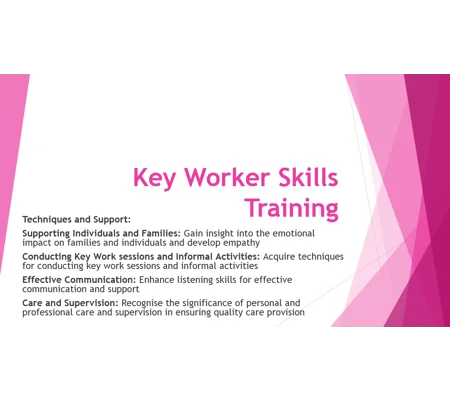
Key Worker Children's Residential Care Techniques & Support Training ResourcesKey Worker Skills (Techniques and Support). Suitable for Looked After Children Residential Care Enough resources for single sessions, single aspects or a one day course with workshops. All editable. 13 Files in total (Presentation (in section) , Handouts x 3, Case Studies x 20, Learning Activity documents x 4 and End of Session Multiple Choice Assessments x 4). Each learning activity file has 5 case studies (for those wishing to run workshops). Overall Aim: To equip participants with the knowledge, skills and understanding necessary to foster a supportive and empathetic environment in residential care settings, ensuring the emotional well-being of both families and workers while maintaining high standards of care provision Learning Objectives: Gain insight into the emotional impact on families and individuals and develop empathy. Acquire techniques for conducting key work sessions and informal activities. Enhance listening skills for effective communication and support. Recognise th...

Presentation Packs
Male Catheterisation Awareness Level 2 Training ResourcesMale Catheterisation Awareness for Care and Support Staff This pack explains what male catheterisation is, who is authorised to perform it and how care staff safely support individuals with catheter care without carrying out the clinical procedure. All files editable, so you can tailor it as required Male catheterisation is not the same as Conveens - conveens are one option for urinary management in men, but they are not catheterisation. Overall aim To build clear, confident understanding of male catheterisation so staff can recognise safe practice, support clinical procedures appropriately, and identify risks that require escalation. Learning objectives Understand what male catheterisation is and when it is clinically required. Recognise the anatomy, risks, and infection prevention principles involved in male catheterisation. Identify the roles, responsibilities, and scope of practice for staff supporting catheter care. Know the correct steps of the clinical procedure and the ratio...
Presentation Packs
Trauma Informed Care Approaches All Care Settings Training ResourcesTrauma Informed Care Approaches. Suitable for any care setting. Enough resources for single sessions, single aspects or a one day course with workshops. All editable. 20 Files in total (Presentation (in section) , Handouts x 9, Learning Activity documents x 6 (many with a selection of case studies) and End of Session Multiple Choice Assessments x 4). Overall Aim : To equip professionals in the UK with the knowledge and skills necessary to implement trauma-informed practices in their respective settings, fostering a supportive and healing environment for individuals impacted by trauma Learning Objectives: Understand the principles and significance of trauma-informed care within the context of UK healthcare and social services. Identify different types of trauma and their potential impacts on individuals across the lifespan, including children and adults accessing mental health services. Apply practical strategies for implementing trauma-informed practices, including creating safe env...

Care Certificate Support
Care Certificate Standard 3 Duty of Care Training ResourcesCare Certificate Standard 3 Duty of Care (111 Slides, in Sections) Includes Interactive Discussion Questions, Scenarios and Quizzes. All files editable. 9 Word Documents are also included (detailed below). Aims and Objectives: Overall Aim: To ensure learners understand their duty of care in health and social care settings and are able to apply it confidently, lawfully and compassionately in their daily practice. Learning Objectives: Define "duty of care" Understand how duty of care affects your role Identify and respond to dilemmas and incidents Know where to go for advice and support Presentation (111 Slides) Aims and Objectives Welcome Overview of the Session What is Duty of Care? Why This Standard Matters Reflection Question Legal Obligations in Duty of Care Professional Obligations in Duty of Care Moral Obligations in Duty of Care Legal, Professional and Moral Obligations in Duty of Care Activity: Is This an Example of Duty of Care? Example 1 Example 2 Example 3 Example 4 Exampl...
Presentation Packs
Domiciliary Care Safeguarding Awareness Level 4 Training ResourcesDomiciliary Care - Safeguarding Awareness Level 4 Presentation, 10 x Handouts,7 x Case Study Based Learning Activities (Group and Individual), 9 Discussion Question Post Activity Handouts Presentation is in Sections All files editable. Aims and Objectives: Overall Aim:To equip supervisors and line managers in domiciliary care with the knowledge and skills to effectively implement, monitor and uphold safeguarding practices, ensuring the protection and well-being of service users. Learning Objectives: Understand their leadership responsibilities in safeguarding, including legal and regulatory requirements. Implement and monitor safeguarding policies, ensuring best practice is followed within their teams. Respond effectively to safeguarding concerns, including risk assessments, escalation and multi-agency collaboration. Presentation (102 Slides) Introduction Section - Legal and Regulatory Frameworks Introduction Care Act 2014 (Adults) Children Act 1989 and 2004 Mental Capacity Act 2005...
Presentation Packs
Care Act 2014 Overview Training ResourcesA complete overview of the Care Act 2014 and details current changes to the original implementation. One very large presentation, set out in sections, with some speaker notes on some of the slides. There is also a smaller presentation (37 slides) which is a summary of the changes regarding care, support, assessment and costs from the perspective of a service user/carer. Example Case Studies are included as Word Documents. useful also for selecting specific slides for your on training sessions. Presentation 1 - Care Act 2014 Awareness (77 slides) Slide Titles: Introduction Previous Legislation Who is an Adult? Who is a Carer? Who is an Individual? Underpinning Principles Wellbeing Wellbeing (Discharge of Obligations) Prevention Integration with the NHS Provision of Information Section 5 Section 6 and 7 Section 8 Care and Support Section 79 Delegation Section 14 Charging Section 9 Adult Assessment Section 10 Carers Assessment Section 13 Eligibility Criteria Eligibility Criteria Adult...

Presentation Packs
Mobile Phones & Relationships Children's Residential Care Training ResourcesMental Capacity and Best Interests Awareness (Specific Situations) in Children's Residential Care Settings All editable documents. This is the SECOND pack of a set of resources for Children's Residential Care on this topic. This pack looks at specific situations for care staff mobile phones, the internet and relationships with friends, families and external contacts. Both packs together would enable trainers to put together a one day or one and a half day training session. This pack has 14 Files in total (Presentation (in section), Handouts x 7, Case Studies x 31 and End of Session Multiple Choice Assessments x 3 (one for each learning objective). Overall Aim: To equip residential care staff with the knowledge and skills necessary to navigate complex ethical and practical challenges in children's homes, ensuring the well-being and safety of residents while promoting their autonomy and rights. Learning Objectives: Understand the legal and ethical principles underlying decision-making...
Presentation Packs
BiPAP Therapy Awareness Training ResourcesBiPAP Therapy Awareness Presentation (in sections), Handout and End of Session Assessment (Multiple Choice). All editable to suit your training session and audience should you wish to edit. This presentation (50 slides) is in sections). The session can be used as it has been written or you can choose to use specific sections. Aims and Objectives: Overall Aim: To provide health and social care staff with the knowledge and skills to safely use and monitor BiPAP therapy in adult care settings, ensuring effective patient care and respiratory support. Learning Objectives: Understand the key principles of BiPAP therapy, including how it works and when it is used. Identify the common conditions and indications for BiPAP use in adult care settings. Demonstrate the correct setup, monitoring and troubleshooting of BiPAP equipment. Recognise potential complications and side effects of BiPAP therapy and know how to respond appropriately. Presentation (50 Slides) Aim and Objectives SECTION - Int...

Presentation Packs
Enteral Route Feeding and Medication Training ResourcesEnteral Route 8 PowerPoint presentations and 31 Word documents. Presentation 1 - PEG Feeding and PEJ Feeding Overview (97 slides) Slide Titles Aims and Objectives Introduction PEGs PEJs Malnutrition BMI Classifications- Malnutrition Screening Screening for Malnutrition Nutritional Support Enteral Feeding Indications Responsibilities Consent and Mental Capacity Record Keeping and Documentation Ethical and Legal Considerations Storage and Care of Feeds PEG Insertion Indications Contraindications Early Detection of Complications Management of PEG Feeding Placement of Tubes Methods of Feeding Pump Feeding Bolus Feeding Care of Equipment Care of PEG site Procedure if PEG comes out Procedure if PEG comes out (Untrained Staff) Checking PEG Tube Position - pH management and procedures Feeding Equipment Clinical procedure - Administering a Bolus Feed Clinical Procedure - Administering a Pump Feed Competence PEJs Indications for PEJ Insertion Feeding via PEJ Daily Care of PEJ Tubes Procedure...
Presentation Packs
Dementia Care Safeguarding Awareness Level 4 Training ResourcesDementia Care - Safeguarding Awareness Level 4 Presentation, 17 x Handouts, 10 x Case Study Based Learning Activities (Group and Individual), 9 Discussion Question Post Activity Handouts. Presentation is in Sections All files editable. Aims and Objectives: Overall Aim: To equip supervisors and line managers with the knowledge, skills and confidence to effectively monitor and ensure safeguarding practices are maintained, while taking appropriate actions to protect service users with dementia from abuse and neglect Learning Objectives: Understand the legal and ethical responsibilitiesof supervisors and line managers in safeguarding service users with dementia Develop skills to monitor and evaluate safeguarding practiceswithin a care environment, ensuring adherence to policies and procedures Identify and respond appropriatelyto safeguarding concerns, providing clear guidance and actions to ensure the well-being and protection of service users Presentation (148 Slides) Introduction to S...

Team Meeting / Toolbox Talks
End-of-Life and Palliative Care – 10 Toolbox Talks for Domiciliary Care Staff Pack DEnd-of-Life and Palliative Care 10 Toolbox Talks for Domiciliary Care Staff Pack C Word Document (43 Pages) - 10 Toolbox Talks Fully editable. This End-of-Life and Palliative Care Toolbox Talks Pack contains 10 ready-to-use Toolbox Talks designed specifically for trainers delivering short, practical learning sessions to Domiciliary Care Staff. The pack provides an easy way to deliver focused refresher training, team learning and practice-based discussions around supporting people who are living with serious or life-limiting illness or approaching the end of their life. Rather than providing a full-length training course, these Toolbox Talks are designed to support short, focused learning sessions of approximately 10 15 minutes, making them suitable for use during team meetings, staff meetings, supervision, refresher training or other opportunities for bite-sized learning. Who is this pack for? This resource is designed for trainers, training providers, care managers and organisation...